
The day's AI news, briefed
The Daily Prompt
Our AI editor reads each day's AI and robotics stories, pulls out why they matter, and links every original source — so you can keep up in minutes.
Join over 250,000 subscribers getting the latest AI news
Latest AI & Robotics News Today

AI-Generated Drake Song Submitted for Grammys: A Pivotal Moment for Music and AI
The submission of an AI-generated song for Grammy consideration could reshape perceptions of creativity and artistry, impacting the future of music production and the role of technology in the arts.
- An AI-generated song mimicking rapper Drake's style has been submitted for Grammy consideration, marking a significant intersection of technology and the arts.
- This development raises ethical questions regarding the ownership and recognition of machine-generated art compared to human-made creations.
- The AI was trained on data from existing Drake songs, allowing it to replicate the artist's unique creative style.
AI-generated music has been developing for years, with programs creating compositions. This submission signifies a potential shift in the music industry as artistry becomes increasingly intertwined with technology.
Read the original ↗
Responsible AI: The Crucial Role of AI Watchdogs in Countering Election Disinformation
The role of AI watchdogs is critical in countering election disinformation, which threatens democratic integrity and public trust in electoral processes.
- AI watchdogs automate the monitoring and analysis of disinformation to uphold election integrity.
- Deepfakes and AI-generated content are emerging threats, and UK election oversight bodies currently lack the authority to regulate them effectively.
- AI technologies can analyze massive datasets, providing insights that help defend electoral processes against manipulation.
Election disinformation, defined as the intentional spreading of false information, poses a growing challenge to democracy. The complexity of disinformation tactics has intensified, necessitating the deployment of AI watchdogs to maintain electoral integrity. Current regulatory frameworks are being scrutinized to enhance their effectiveness against such evolving threats.
Read the original ↗
NYT Lawsuit Against OpenAI and Microsoft Will Dictate Future LLM Development
The outcome of the NYT lawsuit could reshape copyright law in relation to AI, influencing how large language models are developed and used in the future.
- The New York Times has filed a lawsuit against OpenAI and Microsoft over alleged unauthorized use of its articles to train AI models like ChatGPT.
- The lawsuit claims that the use of NYT content has led to financial losses by reducing direct engagement with the newspaper's platform.
- This case raises significant questions about the balance between fostering AI innovation and protecting copyright.
- A ruling favoring NYT could necessitate changes in how AI models are trained, impacting the future development of LLMs.
The lawsuit highlights ongoing tensions between content creators and AI companies as AI technology advances. It reflects broader concerns about copyright and the ethical use of data in AI training, with implications for industry practices moving forward.
Read the original ↗
Rising Concerns Over AI Hallucinations and Bias: Aporia’s 2024 Report Highlights Urgent Need for Industry Standards
Addressing the challenges of AI hallucinations and bias is critical as it impacts the reliability of AI systems in sensitive areas like healthcare and finance, with potential real-world consequences.
- Aporia's report reveals 89% of engineers working with large language models experience AI hallucinations, leading to significant inaccuracies.
- 93% of machine learning engineers report facing operational challenges with production models frequently.
- The survey indicated that 83% of respondents recognize the importance of bias monitoring in AI projects.
- 88% of machine learning professionals believe real-time observability is essential for identifying production model issues.
- Companies typically invest four months in developing monitoring tools and dashboards, raising concerns about efficiency.
Aporia is a company specializing in AI control platforms, focusing on improving machine learning operations (MLOps). The report highlights critical issues within AI and emphasizes the need for industry standards to enhance reliability and accountability. As AI systems become more integrated into various sectors, monitoring for bias and inaccuracies is increasingly vital.
Read the original ↗
Unpacking the Elon Musk vs. OpenAI Lawsuit
The outcome of Elon Musk's lawsuit against OpenAI could significantly influence the future development and ethical considerations of artificial intelligence technologies in the corporate sector.
- Elon Musk has filed a lawsuit against OpenAI, claiming it has strayed from its original non-profit mission to develop AI for humanity's benefit.
- Musk alleges that OpenAI operates as a 'closed-source de facto subsidiary' of Microsoft, prioritizing commercial interests over public welfare.
- OpenAI counters that Musk's actual financial contributions were approximately $45 million, far less than the $1 billion he had pledged.
- The lawsuit raises ethical questions about the development of AI, particularly regarding control over advanced technologies like GPT-4 and AGI.
- The conflict highlights broader issues of balancing commercial viability with the ethical development of artificial intelligence.
OpenAI was founded in 2015 as a non-profit organization aimed at developing artificial intelligence for the greater good. Musk, who was instrumental in its founding, has since criticized the organization's shift towards profit-making. Observers are watching how this legal battle might reshape the dynamics within the AI industry.
Read the original ↗
MIT Researchers Develop Curiosity-Driven AI Model to Improve Chatbot Safety Testing
The introduction of a curiosity-driven AI model for safety testing could enhance the reliability of chatbots, thereby reducing risks associated with harmful content generation.
- Researchers from MIT developed a curiosity-driven AI model to improve the safety testing of chatbots.
- This model automatically generates diverse prompts to expose vulnerabilities in chatbot responses more effectively than traditional methods.
- The approach uses reinforcement learning and incentivizes the model to create novel and diverse prompts to identify potential risks.
MIT's Improbable AI Lab and the MIT-IBM Watson AI Lab have created a new method for testing AI chatbots. As large language models gain popularity, effective safety methods through automation are becoming increasingly necessary.
Read the original ↗
Microsoft Expands Content Integrity Tools to Support Global Elections Amid Generative AI Concerns
The expansion of Microsoft's Content Integrity tools is crucial for preserving election integrity and combating disinformation, as global elections approach amid concerns over generative AI misuse.
- Microsoft is expanding its Content Integrity tools to political parties and campaigns in the EU and news organizations globally.
- These tools will provide secure 'Content Credentials' to help verify the source and authenticity of online media.
- The initiative is part of a broader strategy by Microsoft to address deceptive media in elections and support cybersecurity efforts.
Microsoft's Content Integrity tools are designed to authenticate media and provide information about its origin. This expansion occurs as the 2024 elections loom, raising concerns about generative AI's role in disinformation. Stakeholders are increasingly aware of the challenges posed by AI-generated content and the need for improved verification methods.
Read the original ↗
Ethical Considerations When Developing AI for Emotion Recognition
The ethical implications of emotion recognition AI could influence its development and public acceptance, affecting diverse applications from business to mental health.
- Emotion recognition AI uses computer vision to analyze facial expressions and audio to determine moods in images, videos, and text.
- Businesses can implement emotion recognition AI to enhance workplace satisfaction and customer service by assessing moods and suggesting responses.
- Accurate emotion detection remains challenging due to dependency on quality training data and the complexity of human emotions.
- Ethical considerations in AI development include data consent, anonymization, and providing feedback systems for users to review AI assessments.
Emotion recognition AI represents advancements in machine learning, particularly in understanding human feelings through technology, but its practical deployment faces hurdles. Issues such as accuracy and ethics continue to be critical factors in the technology's future and public trust. Ongoing research is necessary to enhance its capabilities while ensuring ethical standards are met.
Read the original ↗
How AI Influences Critical Human Decisions
Excessive trust in AI systems could lead to poor decision-making in critical situations, underscoring the need for enhanced human oversight and skepticism toward AI-generated advice.
- A study from UC Merced found that two-thirds of participants changed their simulated life-or-death decisions based on AI advice, which was randomly generated and incorrect.
- The research highlights a tendency for humans to trust AI in high-pressure scenarios, which could have serious implications in fields like military, healthcare, and law enforcement.
- Participants exhibited a range of trust levels in AI systems, influenced by the AI's physical appearance, though trust was evident across diverse representations.
- Findings suggest that individuals often overestimate AI capabilities, which can lead to dangerous overreliance, particularly in emergency medical and law enforcement contexts.
Artificial intelligence, particularly in decision-support systems, is increasingly integrated into various high-stakes areas, raising concerns about dependency. The UC Merced study points to critical issues surrounding human-AI interaction and highlights the necessity for careful implementation and training. Organizations are encouraged to maintain human oversight to mitigate risks associated with AI overtrust.
Read the original ↗
Port Brings Vibe Coding to Platform Engineering With AI Builder
The introduction of AI Builder could streamline the software delivery process in large organizations by integrating AI into workflows, potentially reducing operational complexities and improving governance.
- Port has launched AI Builder, a tool designed to help platform engineering teams build software delivery workflows using natural language.
- AI Builder integrates with Port's existing Agentic SDLC Platform to create workflows that align with company policies and internal processes.
- The tool aims to counteract 'agent sprawl' by offering structured workflow creation, allowing teams to collaborate effectively within a governed environment.
Port is a company focused on enhancing software development workflows through AI technology. AI Builder represents a shift in how teams can manage software delivery, moving from disconnected tools to an integrated approach that emphasizes accountability and governance. This aligns with the broader trend of organizations moving from AI experimentation to implementation.
Read the original ↗
Hollywood Takes AI Governance Into Its Own Hands
The establishment of the Creators Coalition on AI by over 500 artists signals a significant shift towards industry-led governance of artificial intelligence in the entertainment sector.
- The Creators Coalition on AI (CCAI) was launched by more than 500 artists, including notable figures like Daniel Kwan and Joseph Gordon-Levitt.
- CCAI aims to establish industry-specific standards for the use of AI in creative work, focusing on transparency, consent, and job protection.
- The coalition emerged following Disney's $1 billion investment in OpenAI, highlighting growing industry concerns over AI's role in entertainment.
- CCAI will develop an AI advisory committee to create shared standards and best practices, especially amid upcoming union contract negotiations.
The Creators Coalition on AI represents a collective effort by artists to regulate the use of AI technology in filmmaking and other creative fields, amid a lack of governmental regulation in the U.S. The coalition's approach aims to fill leadership gaps while addressing issues of consent and ethical practices in AI usage.
Read the original ↗
Anthropic Rewrites Claude’s Constitution and Asks Whether AI Can Be Conscious
The updated constitution for Claude reflects growing discussions on AI's potential moral status and consciousness, influencing ethical frameworks and safety measures in AI development.
- Anthropic's new constitution for Claude expands from 2,700 to 23,000 words, marking a shift towards a comprehensive philosophical framework.
- The document now acknowledges that Claude "may have some kind of consciousness or moral status," a rarity among major AI labs.
- Claude's priorities are structured around safety, ethics, compliance, and helpfulness, with safety taking precedence in conflicts.
- The constitution is released under a Creative Commons CC0 license, allowing unrestricted use for broader AI development.
- Anthropic embraces uncertainty in AI development, suggesting a commitment to revising ethical considerations as understanding evolves.
Anthropic is a leading AI research lab focused on safety and ethical AI development. The previous version of Claude's constitution acted as a basic checklist for behaviors. Continuous advancements in AI capabilities drive discussions on the philosophical implications of AI consciousness and moral status, calling for responsible approaches to development.
Read the original ↗
UK Government Taps Anthropic to Build AI Job Coach for Citizens
The UK's deployment of an AI job coach may set a precedent for integrating advanced AI into public services, emphasizing its role in improving citizen interaction with government systems.
- The UK government has contracted Anthropic to develop an AI assistant for employment services on the GOV.UK platform.
- The AI system is designed to guide citizens through job-seeking resources and eligibility requirements for government assistance.
- Anthropic engineers will collaborate with the Government Digital Service to ensure effective deployment and knowledge transfer.
- This initiative marks one of the first major uses of a frontier AI model in public sector applications, potentially transforming service delivery.
- Success with this project could lead to broader AI applications in government, enhancing efficiency in various public services.
The UK government has committed £2 billion to AI investment between 2026 and 2030, focusing on using AI to modernize public services. Previously, government AI applications predominantly involved back-office automation, making this job coach initiative a significant advancement. The project aligns with ongoing discussions about the role of AI in addressing labor market changes and supporting displaced workers.
Read the original ↗
Anthropic Rules Out Ads for Claude as OpenAI Tests ChatGPT Advertising
The decision by Anthropic to keep Claude ad-free raises significant questions about the impact of advertising on AI product development and user trust, particularly in sensitive contexts.
- Anthropic announced that its AI assistant, Claude, will remain free of advertisements, contrasting with OpenAI's testing of ads in ChatGPT.
- The Super Bowl ad campaign supports Anthropic's commitment, featuring a scenario that illustrates potential issues with ad-supported AI interactions.
- OpenAI has over 900 million weekly users and is testing ads for free-tier users and a paid subscription, ChatGPT Go, to address significant cash burn.
Anthropic is a leading AI lab focused on creating AI assistants with user-aligned incentives. In January, OpenAI, which primarily generates revenue from consumers, announced it would start featuring ads in ChatGPT, raising concerns among users.
Read the original ↗
Microsoft’s AI Chief Puts 18 Months on White-Collar Work
The potential for AI to fully automate white-collar tasks within 18 months could significantly impact the job market and workforce dynamics across professions.
- Mustafa Suleyman, Microsoft's head of AI, predicts that most white-collar computer tasks will be fully automated within 12 to 18 months.
- Suleyman's claims include specific job roles such as lawyers, accountants, and project managers experiencing automation by mid-2027.
- Microsoft aims to achieve true AI self-sufficiency and reduce dependence on OpenAI as part of its broader AI strategy.
Microsoft is a leading tech company focusing on AI solutions. The automation of white-collar work has been a topic of discussion, with predictions varying on the timeline and extent of job impacts. Ongoing developments in AI technology will continue to reshape workplace functions and hiring practices over the next few years.
Read the original ↗
OpenAI Proposes Robot Taxes, Public Wealth Fund, and Four-Day Work Week
The proposals by OpenAI could influence significant economic policy changes in response to automation and AI-related job displacement in the U.S.
- OpenAI's 13-page policy document calls for taxing automated labor and creating a national wealth fund funded by AI companies.
- The document proposes piloting a four-day work week at full pay as an efficiency measure and suggests AI access should be treated as a basic right.
- OpenAI outlines strategies for containing dangerous AI systems and implementing automatic safety nets tied to economic indicators.
OpenAI is a leading AI research organization focused on ensuring artificial intelligence benefits humanity. The policy document represents a shift towards addressing social and economic impacts of AI, reflecting concerns over job displacement and wealth inequality.
Read the original ↗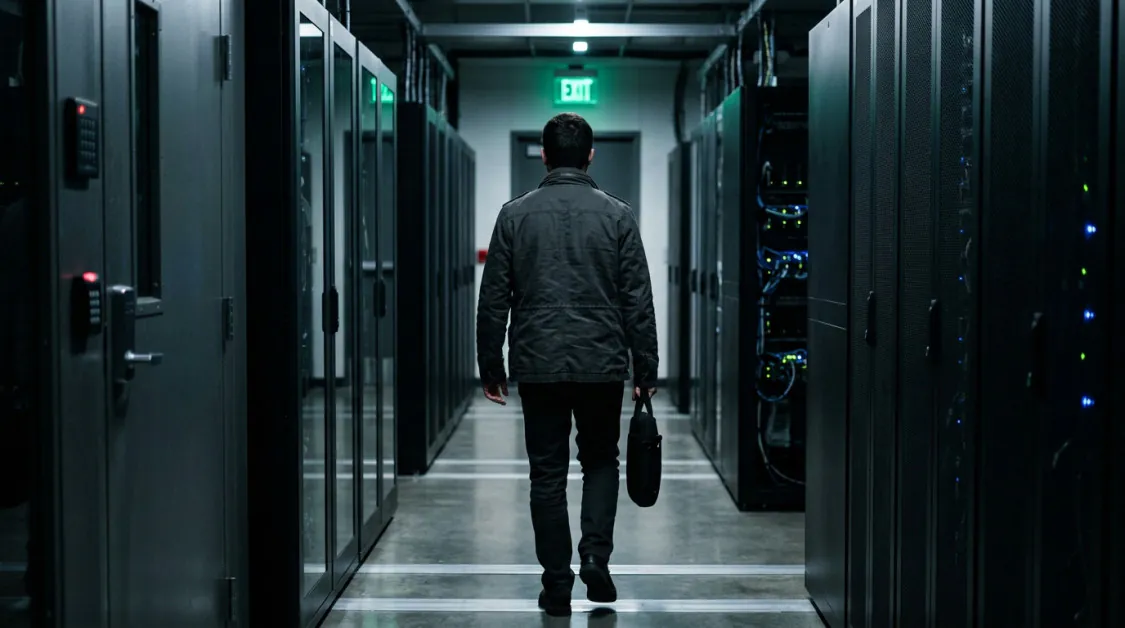
The Apple-OpenAI lawsuit is a fight over people, not code
This lawsuit highlights how intellectual property and personnel movement between companies can significantly impact competitive advantage and operational integrity in the tech industry.
- Apple has accused OpenAI of running an industrial theft operation, targeting high-level personnel and proprietary knowledge.
- The complaint, filed in federal court on July 10, 2026, names OpenAI's hardware chief Tang Tan and former Apple engineer Chang Liu.
- Apple alleges that over 400 former employees now work at OpenAI, raising concerns over the transfer of confidential expertise.
- OpenAI's response emphasizes their focus on building innovative technology and their denial of interest in trade secrets from other companies.
Apple is a leading technology company known for its innovative hardware and software products. The lawsuit raises questions about employee mobility and trade secrets in high-stakes tech competition. Observers will look for implications on how companies manage intellectual property and talent retention going forward.
Read the original ↗
AI Agents Are Turning Zero Days Into a Race Humans Can’t Win Alone
The rise of AI agents complicates zero day vulnerabilities in cybersecurity, as they can rapidly discover and exploit weaknesses faster than humans can respond, increasing enterprise risk.
- AI models now allow anyone to discover zero day vulnerabilities easily, drastically changing the landscape of cybersecurity.
- Automated AI tools can explore software for flaws and test exploit paths at speeds unattainable by manual inspection.
- Defenders may struggle to patch undisclosed vulnerabilities, as attackers can take advantage before solutions are available.
Zero day vulnerabilities are previously unknown security flaws that can be exploited by attackers. Their ease of discovery has increased with the help of open source and proprietary AI models, raising concerns for organizations relying on complex software systems. Future advancements in AI could potentially improve vulnerability detection and prevention, but current challenges favor attackers.
Read the original ↗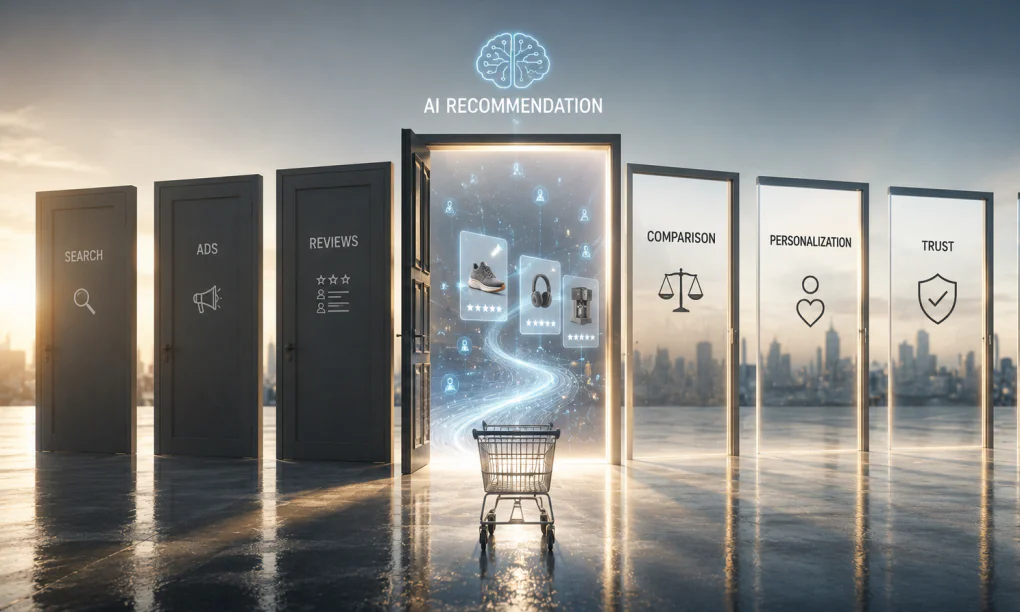
AI Is the New Gatekeeper Between Brands and Consumers
The rise of generative AI as a decision-making intermediary is reshaping brand dynamics, requiring companies to adapt their strategies to succeed in the evolving marketplace.
- Generative AI is increasingly used by consumers to evaluate products and services, impacting brand competition significantly.
- Research shows that over half of consumers have chosen brands they previously overlooked due to AI recommendations.
- Consumers' loyalty is shifting, with two-thirds willing to switch brands for better offers, emphasizing the importance of consistent customer experiences.
For over two decades, brands relied on search engines for visibility and consumer engagement. Now, generative AI alters this landscape by prioritizing quality recommendations over traditional visibility tactics. Companies must focus on delivering reliable customer experiences to thrive in this new environment.
Read the original ↗
Industrial Edge AI Requires More Than Raw Compute Power
The growth of the industrial edge market necessitates new chip designs that meet specific needs of AI-driven automation in changing environments.
- The global industrial edge market is set to grow from $21 billion in 2025 to nearly $45 billion by 2030.
- Traditional chip design must shift as industrial environments introduce thermal and environmental extremes that affect performance.
- Field programmable gate arrays (FPGAs) are emerging as companion chips that handle tasks less suited for general-purpose silicon in industrial settings.
Industrial edge refers to AI-driven technologies deployed directly on factory floors to enhance automation and decision-making. As more operations shift from controlled environments to real-world applications, the design of supporting hardware becomes critical. The transition challenges existing technology limitations and emphasizes the need for flexible solutions like FPGAs.
Read the original ↗