
The day's AI news, briefed
The Daily Prompt
Robotics News, briefed. Our AI editor summarizes each robotics news story below — why it matters, the key points, and the context — with a link to every original source.
Latest Robotics News Today
Robots are moving from the lab into the real world faster than ever. The Daily Prompt follows the robotics news that matters — humanoid robots from Figure, Tesla Optimus and Boston Dynamics, warehouse and manufacturing automation, autonomous vehicles, surgical and service robots, and the AI breakthroughs giving machines new capabilities.
Each story below links to the original reporting, while our editors keep this feed current as developments break. From research milestones and funding to product launches and real-world deployments, this is your live feed of robotics news today — updated throughout the day, every day.
Latest Robotics News
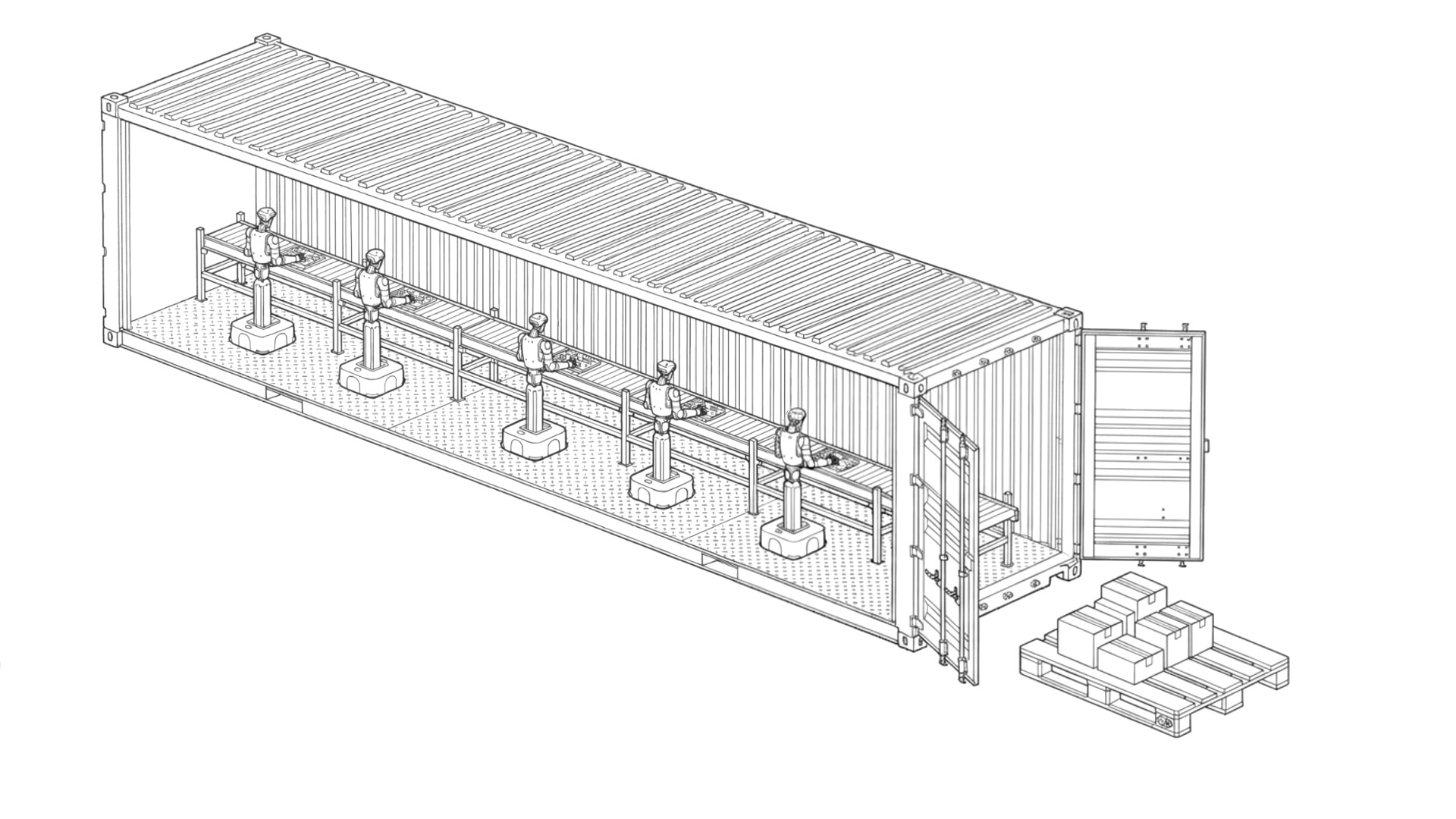
120ft Raises €576,000 to Build Humanoid Robot Microfactories for Local Manufacturing
120ft's funding reflects a shift toward localized manufacturing, potentially lowering costs and risks for smaller brands through the use of robotic microfactories.
- 120ft has raised €576,000 in an angel funding round to develop humanoid robot-operated microfactories.
- The microfactories will combine preparation, assembly, inspection, and packing within three 40-foot containers using proprietary software.
- The startup aims to reduce the cost and risk of production for smaller brands by offering shared manufacturing capacity close to customers.
120ft is a Stockholm-based startup focused on creating autonomous microfactories to assist smaller consumer brands in manufacturing. With funding secured, the company plans to advance its software and infrastructure while testing its manufacturing model, which is distinct from traditional large-scale operations.
Read the original ↗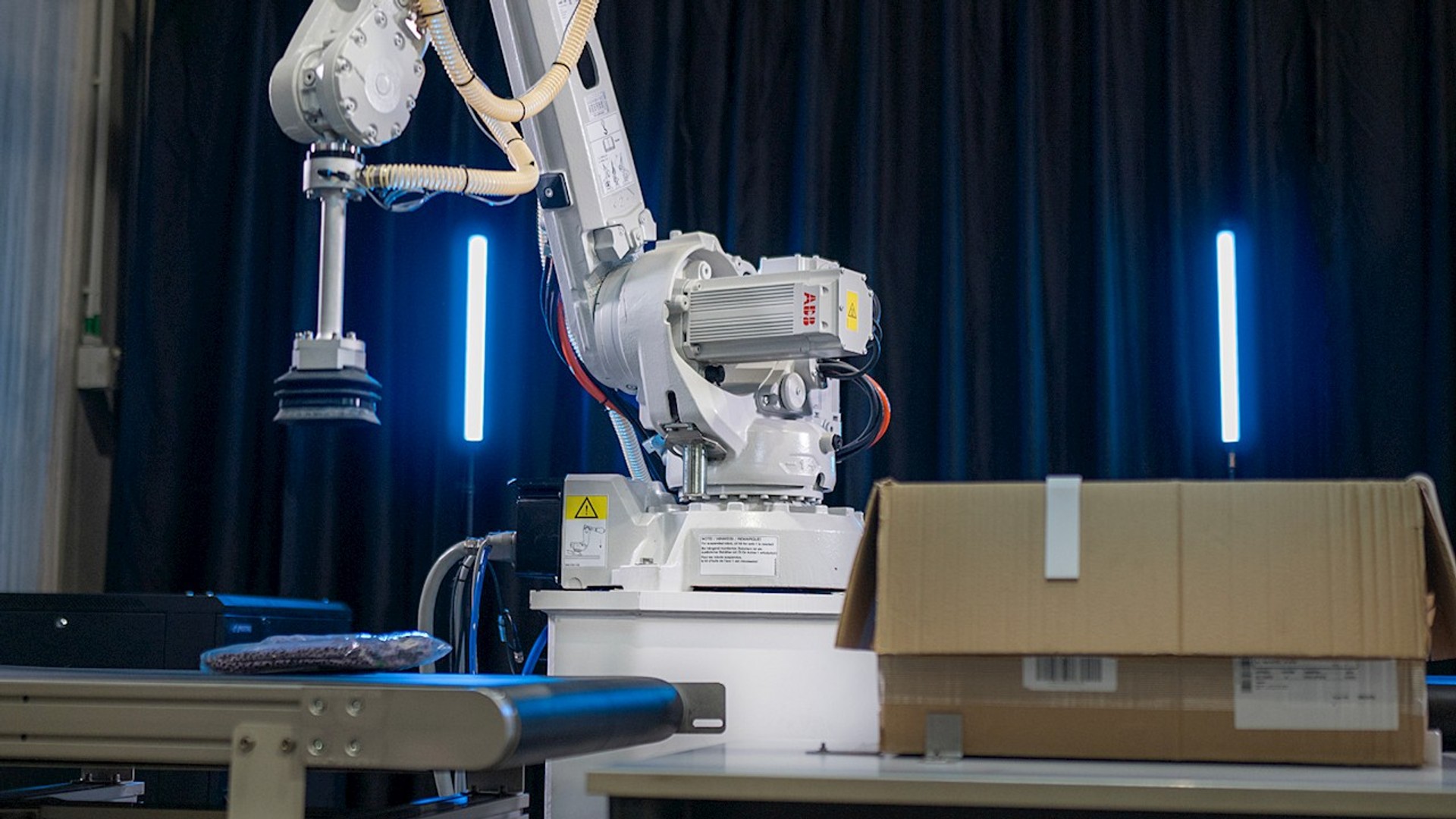
ABB Robotics Adds AI Robot Trainer to Fashion Inductor Module
The integration of AI Robot Trainer into ABB's Fashion Inductor module significantly enhances efficiency and reduces operational risks for logistics providers in the fashion industry.
- ABB Robotics launched its AI Robot Trainer for fashion logistics, claiming it reduces engineering and commissioning efforts by up to 75%.
- The AI Robot Trainer offers pre-trained fashion-specific AI vision models and rapid retraining capabilities for continuous optimization.
- ABB aims to facilitate the deployment and scaling of AI applications in fashion logistics, addressing challenges associated with variability in products and operations.
ABB Robotics is a leader in automation technologies and has introduced AI to improve logistics and e-commerce supply chains. The Fashion Inductor is part of a broader strategy to enhance robotics with intelligent solutions that adapt to changing environments. Upcoming expansions are expected in ABB's vision-based applications in early 2027.
Read the original ↗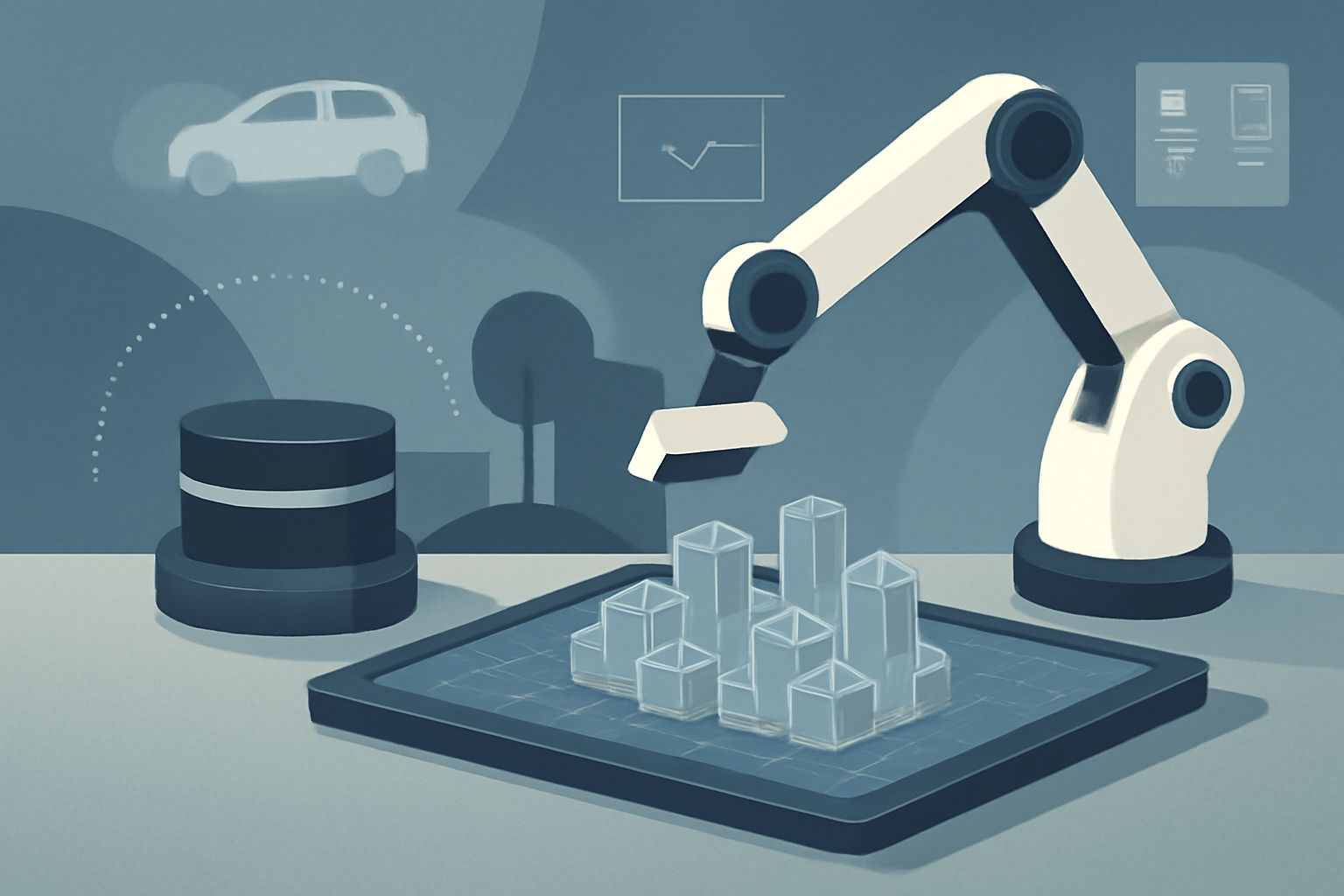
Hesai Launches Kosmo to Turn Real-World Scans Into Robot Training Data
Hesai's Kosmo engine drastically reduces the time and cost of creating high-fidelity 3D environments for robot training, which could accelerate advancements in robotics and AI applications.
- Hesai Group launched Kosmo, a 3D world data engine, on October 14, 2026, aimed at transforming real environments into training data for robots.
- Kosmo combines the Kosmo One spatial camera with the Kosmo World cloud platform to create high-fidelity 3D models efficiently.
- Deployments, such as one at a Dairy Queen, demonstrate a reduction in modeling time from 300 hours to 15 minutes, improving robot task success rates significantly.
Hesai Group is a leader in lidar technology, focusing on enhancing robotic and AI capabilities. The introduction of Kosmo builds on these technologies, changing how real-world data is utilized for robot training and content creation. Future developments to watch include partnerships and further enhancements to the Kosmo platform's capabilities.
Read the original ↗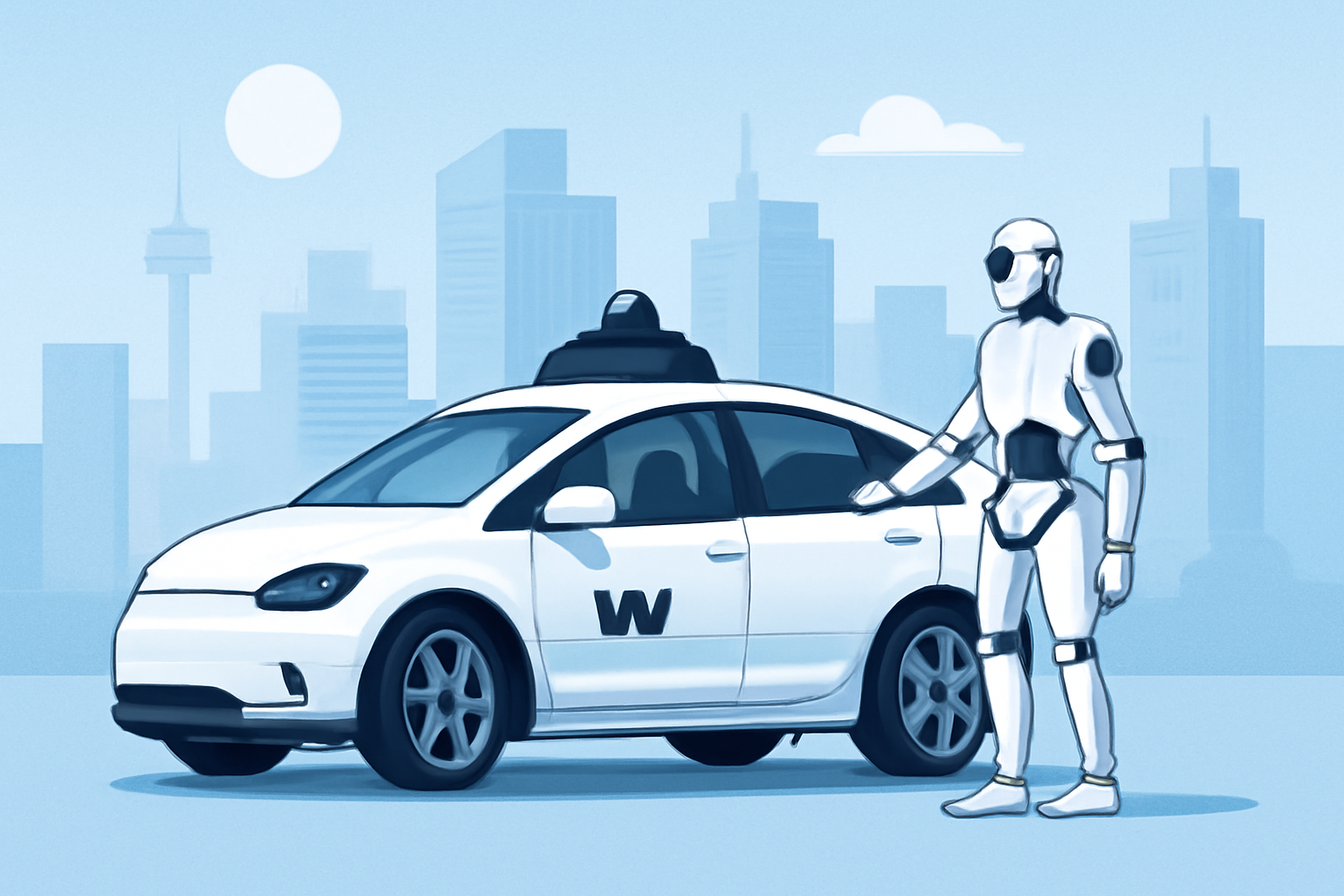
Waymo Opens Fully Autonomous Rides to Everyone in Three Cities
The availability of Waymo's fully autonomous rides in three cities marks a significant advancement in urban transportation, providing accessible mobility options to a wider population.
- Waymo launched its fully autonomous ride-hailing service to the public in San Antonio, San Diego, and Tampa on October 14, 2026.
- The service includes rides to and from San Antonio International Airport.
- Waymo aims to serve over one million rides per week by the end of the year as it expands its operations in more cities.
Waymo is a leader in self-driving technology, offering ride-hailing services through its app. Previously, the service was invitation-based, and this expansion builds on their earlier openings in 2026 across various cities.
Read the original ↗
Evos Raises $9M Pre-Seed to Turn Industrial Expertise Into Autonomous AI Operators
Evos' innovative approach to automating complex industrial tasks could significantly transform operational efficiency and address workforce shortages in small to mid-sized businesses.
- Evos, a New York startup, has raised $9 million in pre-seed funding, co-led by Uncork Capital and Field Ventures.
- The company aims to create autonomous AI operators for small and mid-sized businesses in physical industries.
- Evos operators automate tasks such as invoice reconciliation and freight auditing, learning from human expertise to improve decision-making.
- Within four weeks of launch, Evos reported over $1 million in annual recurring revenue and plans to expand its team and customer base.
- The company's Workhorse platform is set to launch soon, focusing on integrating AI into existing business operations.
Evos, founded in 2026, develops software agents that automate industrial tasks traditionally managed by experienced employees. Its goal is to streamline operations in small and mid-sized businesses. Future developments may center around expanding its platform capabilities and refining AI operator autonomy.
Read the original ↗
FF EAI Robotics Signs Definitive Deal to Buy Faraday Future Robotics
The acquisition enables FF EAI Robotics to expand its foothold in the robotics sector, possibly enhancing its product offerings and market competitiveness in the evolving artificial intelligence landscape.
- FF EAI Robotics Ecosystem Inc. signed definitive agreements on October 12, 2026, to acquire Faraday Future Robotics in an all-stock deal valued at approximately $200 million.
- Faraday Future Robotics will issue shares at $2.246 each, representing a 50% premium over its closing price prior to the signing.
- Closing of the acquisition is expected by the end of October 2026, conditioned on necessary internal restructuring and approvals.
FF EAI Robotics is a company focused on robotics solutions, while Faraday Future Intelligent Electric Inc. specializes in electric vehicles and robotics. This acquisition follows a non-binding term sheet disclosed in late September 2026 and signals strategic consolidation in the robotics industry. Future developments to watch include the integration of their robotics businesses and product expansions post-acquisition.
Read the original ↗
CodeWall Raises $4M Pre-Seed to Bring Autonomous Attack Agents to Enterprise Security
CodeWall's funding enables the development of autonomous security technologies, which could significantly improve enterprise defenses against intricate cyber threats.
- CodeWall has raised $4 million in pre-seed funding, led by Osney Capital and including other investors.
- The startup develops autonomous attack agents that simulate external attacks on enterprises without needing internal access or credentials.
- These agents continuously assess vulnerabilities and track connections between weaknesses across an organization’s infrastructure, offering a comprehensive security overview.
- Existing testing methods often miss emerging vulnerabilities; CodeWall aims to address this by repeatedly visiting systems as they change.
- The funding will support expanding the environments its agents can assess and enhancing its offensive-security and engineering teams in London.
CodeWall is a London-based startup focusing on cybersecurity by developing autonomous attack agents that identify vulnerabilities in enterprise environments. The recent funding will help refine its technology and grow its operational capacity, aiming to make continuous security testing a standard practice.
Read the original ↗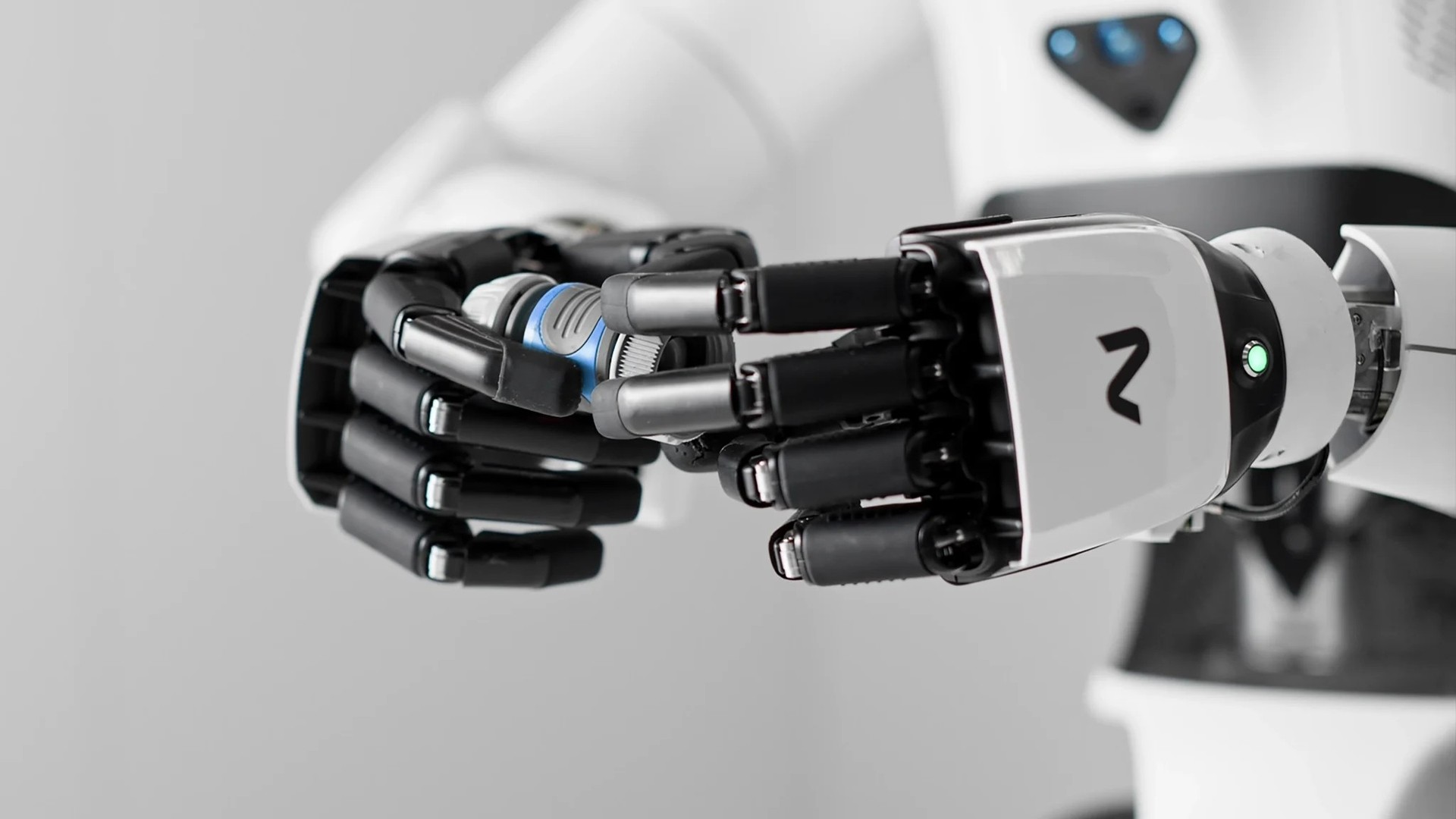
NEURA Robotics Unveils Neuron AI Foundation Model for Physical AI
The introduction of Neuron AI could significantly enhance robotics performance in complex, real-world environments by enabling multimodal interaction and memory capabilities in machines.
- NEURA Robotics unveiled the Neuron AI foundation model for Physical AI on October 14, 2026, in Metzingen, Germany.
- The model's Perception-Language-Action architecture integrates touch, sound, and vision to enhance robotic actions.
- Neuron AI allows robots to operate without a cloud connection and retains production data under customer control.
- The model is trained using real-world data, simulation variations, and human demonstrations to improve learning speed and task performance.
- A demonstration of the humanoid robot 4NE1 performing tasks with Neuron AI will take place at NVIDIA GTC Berlin from October 20 to 22, 2026.
NEURA Robotics is a German company focusing on developing intelligent robots that combine sensory perceptions with memory for enhanced physical interactions. The Neuron AI model represents a shift from vision-only models to a multimodal approach, critical for tasks that require additional senses. Upcoming demonstrations will showcase its capabilities in real-world applications, reflecting advances in robotics technology.
Read the original ↗
Industrial Next wants factory robots to switch tasks in minutes, not weeks
The ability to reconfigure factory robots in minutes rather than weeks could significantly enhance manufacturing flexibility and efficiency, impacting production timelines and costs across industries.
- Industrial Next has developed AI-driven robotic stations that can switch tasks in minutes without reprogramming.
- The startup is partnering with BMW Group Technology Office to explore its AI-powered manipulation in manufacturing.
- Founded in 2021 by former Tesla employees Lukas Pankau and Allen Pan, Industrial Next aims to automate complex tasks that traditionally require human labor.
Industrial Next aims to revolutionize factory automation by enabling robots to quickly adapt to new tasks without extensive programming, a significant shift from traditional rigid automation methods. The company was founded after its founders experienced frustrations with outdated industrial technology during their time at Tesla. Future developments may include broader applications of their technology in various manufacturing sectors.
Read the original ↗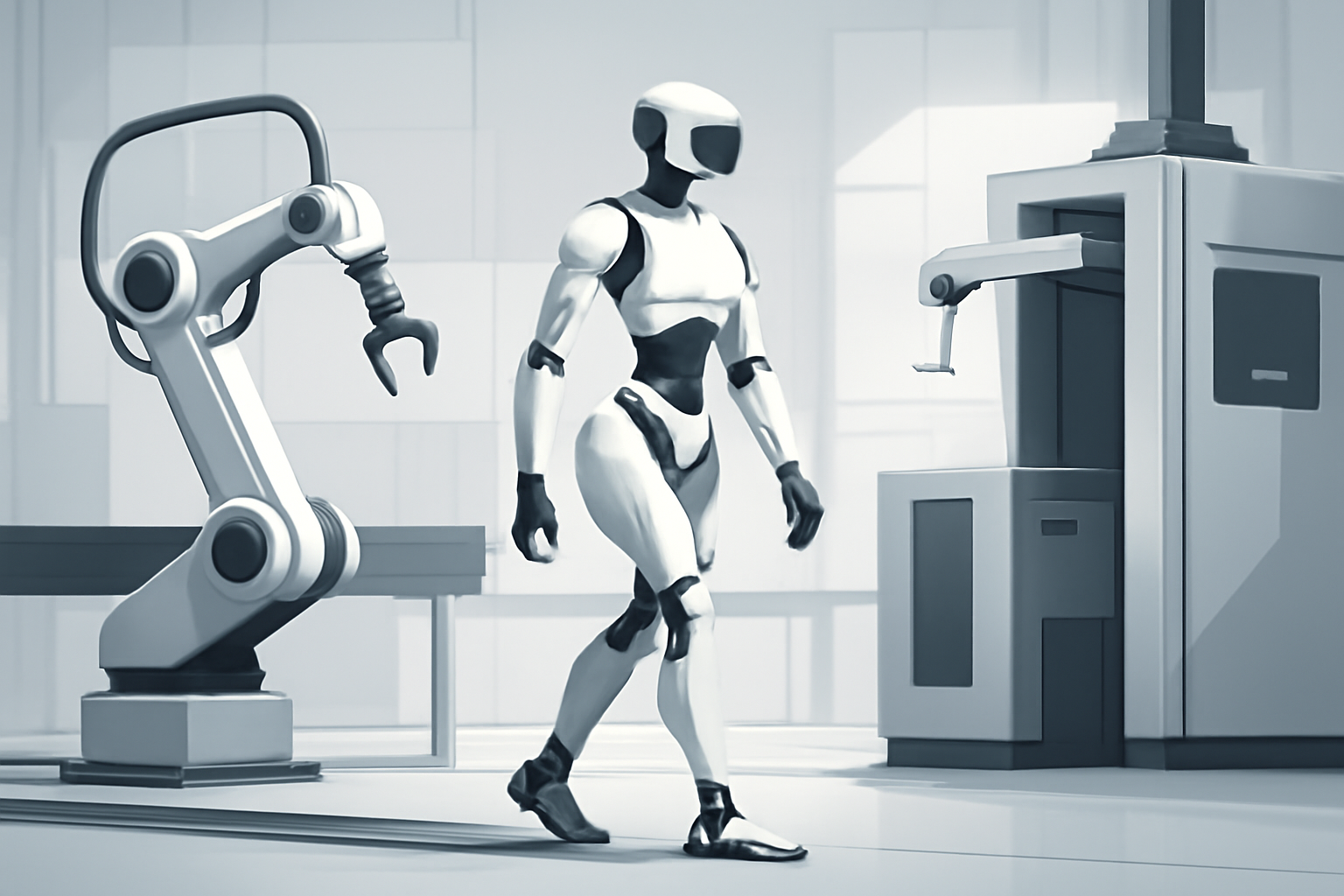
SEC Declares Agility Robotics SPAC Merger Registration Effective
The SEC's approval for the Agility Robotics and Churchill Capital Corp XI merger is significant as it positions Agility to become the first publicly listed humanoid robotics company in the U.S.
- The SEC declared effective the joint registration statement for Agility Robotics' merger with Churchill Capital Corp XI on October 13, 2026.
- The proposed merger values Agility at a pre-money equity value of $2.5 billion and is set for a shareholder vote on November 2, 2026.
- Agility plans to use merger proceeds, anticipated to exceed $620 million, for expanding operations and fulfilling existing customer orders.
- The business combination is subject to shareholder approval and other standard closing conditions, expected to finalize in November 2026.
- Upon closing, the new company will operate under the Agility name and is projected to be publicly listed on the Nasdaq.
Agility Robotics, founded in 2015, specializes in humanoid robotics and physical AI systems for automating labor-intensive tasks. The planned merger aims to leverage substantial investment for growth and innovation in the robotics sector. Future developments will focus on fulfilling existing contracts and expanding customer engagements in various industries.
Read the original ↗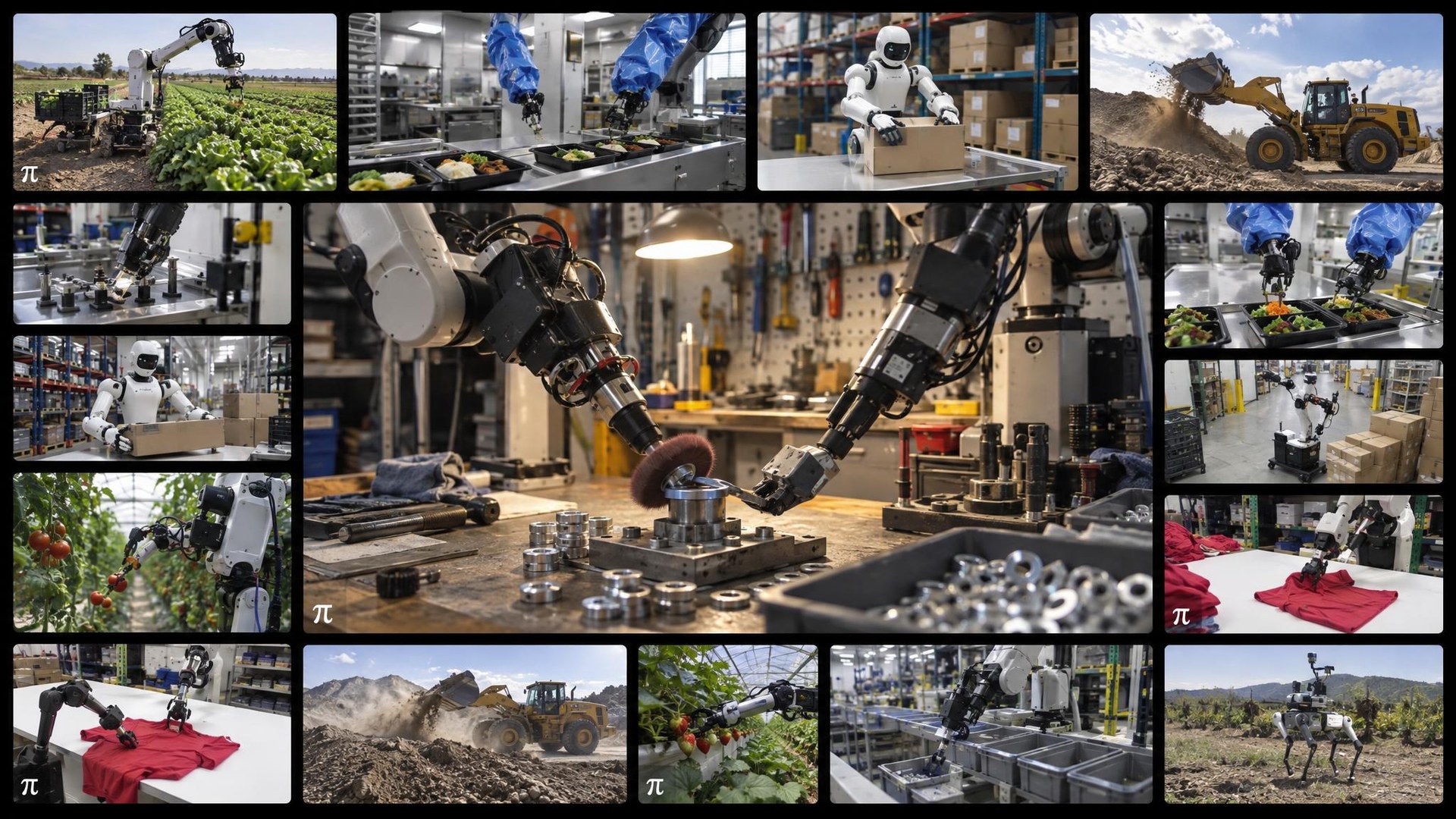
Physical Intelligence Opens Pi API Beta for Robot Foundation Models
This API enables developers to enhance robotic autonomy across various applications, potentially accelerating the adoption of intelligent robotic systems in multiple industries.
- Physical Intelligence launched the Pi API beta on October 13, 2026, allowing developers to access robotic foundation models for fine-tuning and inference.
- Access to the beta is available through a waitlist, where applicants need to outline their intended projects.
- The API simplifies the process of training robots by managing infrastructure and compute resources needed for model fine-tuning.
- Physical Intelligence aims to validate its models' performance across diverse industries and robot types through collaborations with various companies.
- Early access users, including companies like Almond and Actor, report rapid progress in deploying models for practical applications.
Physical Intelligence develops robotic foundation models to aid in deploying robots across various tasks. The Pi API beta represents an opportunity for outside developers to leverage these models, enhancing robot capabilities and autonomy. Future updates are expected as feedback from early users informs ongoing developments.
Read the original ↗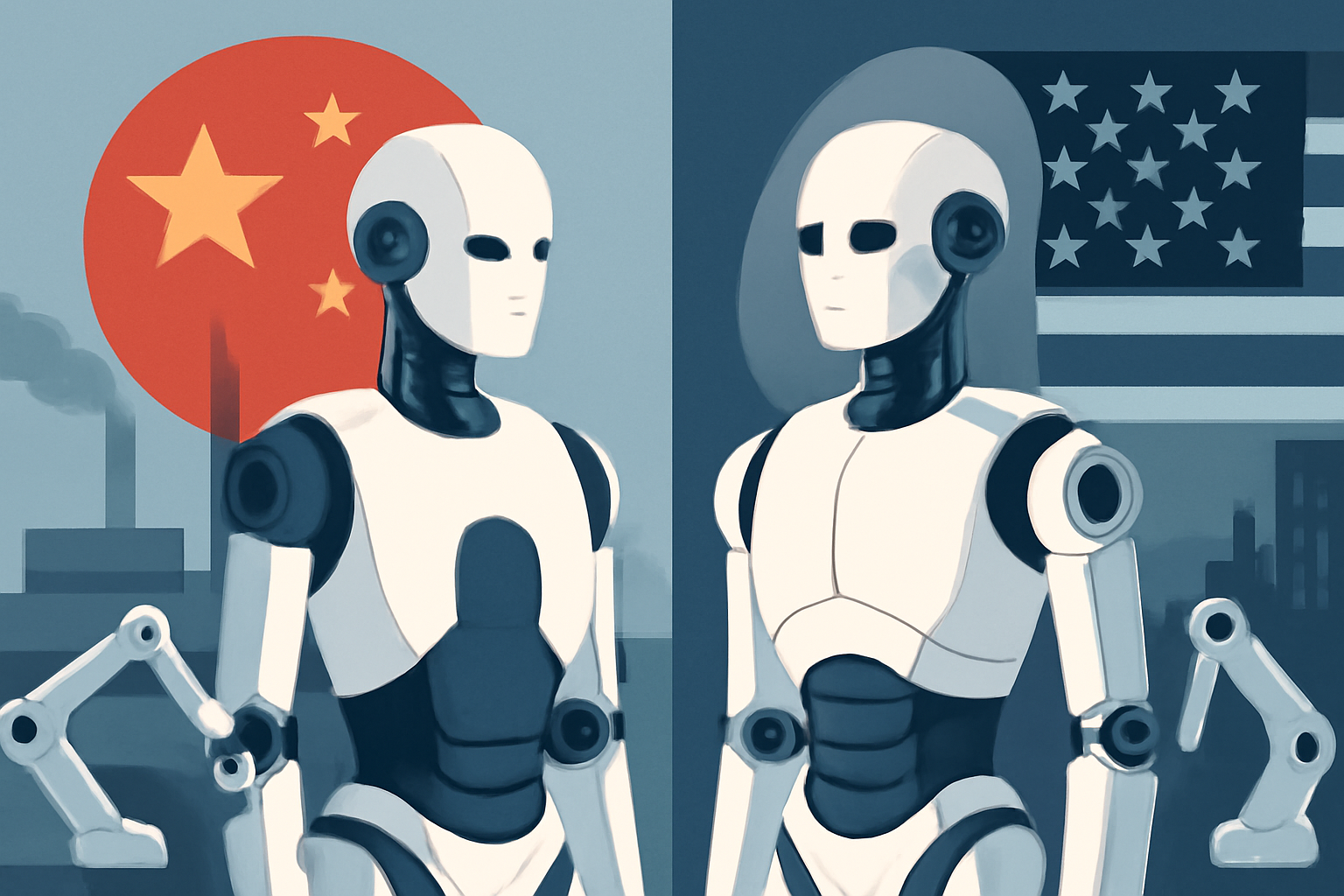
Bipartisan Robotics Panel Warns of Widening U.S. Deployment Gap With China
The report highlights a significant gap in robotics deployment between the U.S. and China, which may jeopardize American industrial leadership in future manufacturing technologies.
- The National Security Commission on Robotics for Advanced Manufacturing warns the U.S. lags behind China in robot deployment and domestic manufacturing capacity.
- In 2025, Chinese factories installed approximately 354,200 industrial robots, while the U.S. installed about 38,400.
- China had over two million operational industrial robots by the end of 2024, more than five times the U.S. stock of about 393,700.
- The commission cites a need for a national mission focused on robotics deployment to address these disparities and improve U.S. competitiveness.
- A Final Report with recommendations from the commission is expected in March 2027.
The National Security Commission is a bipartisan initiative addressing the U.S. robotics landscape, highlighting a lack of scale in deployment and domestic production. Previous reports noted that U.S. manufacturing faced challenges related to technological adoption and workforce readiness. Upcoming national strategies and recommendations will aim to strengthen the U.S. position against China's advances in robotics.
Read the original ↗
You Can Use Gemini 4 Argon Now: Google’s New AI Is Built for Coding, Math and Robotics
The global release of Gemini 4 Argon enhances tools for software engineering and robotics, indicating a shift in how AI can support technical fields amidst competition in AI capabilities.
- Gemini 4 Argon is now available for enterprises and paying subscribers worldwide through the Gemini app.
- Introductory pricing starts at $2 per million input tokens and $10 per million output tokens, increasing after Nov. 30.
- Google applied Gemini 4 internally to optimize software, identify cybersecurity issues, and aid robotics research.
- The AI aims to assist STEM professionals by performing tasks related to coding, math, and robotics.
- Gemini 4 competes with other advanced AI models like OpenAI's GPT-6 Astra and Meta's Muse Wonder.
Gemini 4 Argon is Google's new AI model designed for coding, math, and robotics, released following limited access for cybersecurity. As AI safety concerns grow, Google has engaged with the White House's review process to ensure compliance. Future developments may indicate how effectively it competes in the rapidly evolving AI landscape.
Read the original ↗
Laplace Intelligence red-teams robots and self-driving cars before they hit the real world
The evaluation and safety of AI technologies in real-world applications, such as self-driving cars and robots, hinges on effective pre-deployment testing methods, which can help prevent incidents and ensure public trust.
- Laplace Intelligence is developing AI-based techniques to stress-test robots and self-driving cars before their real-world deployment.
- The startup uses a high-fidelity simulation environment to recreate real-world scenarios and identify potential failure points in autonomous systems.
- Founded by University of Michigan alumni, Laplace aims to generate revenue by partnering with companies like Isuzu and Nvidia for autonomous-driving applications.
Laplace Intelligence, a spinout from the University of Michigan, focuses on using simulations and AI agents for safety testing of physical AI solutions. The company is competing in TechCrunch's Startup Battlefield for funding and growth opportunities.
Read the original ↗
Gemini 4 Argon for Robotics
The advancements in Gemini 4 Argon for robotics demonstrate significant progress in physical reasoning and control, potentially leading to improved robotics capabilities and human-robot collaboration.
- Gemini 4 Argon achieved an 87% score on the Embodied Reasoning (ERQA) benchmark, surpassing other models in physical reasoning and spatial problem-solving.
- The model is versatile across the robotics lifecycle, enabling tasks from control of mobile robots to physical understanding and researching improvements.
- Argon uses simulation, self-improvement, and visual reasoning to enhance physical manipulation skills, significantly improving success rates in real-world scenarios.
Gemini 4 Argon is a general-purpose model developed by DeepMind that integrates reasoning in various aspects of robotics including control and manipulation. This model signifies a major leap towards achieving physical artificial general intelligence (AGI). Future developments in robotics may focus on further improving capabilities for complex tasks and human interaction.
Read the original ↗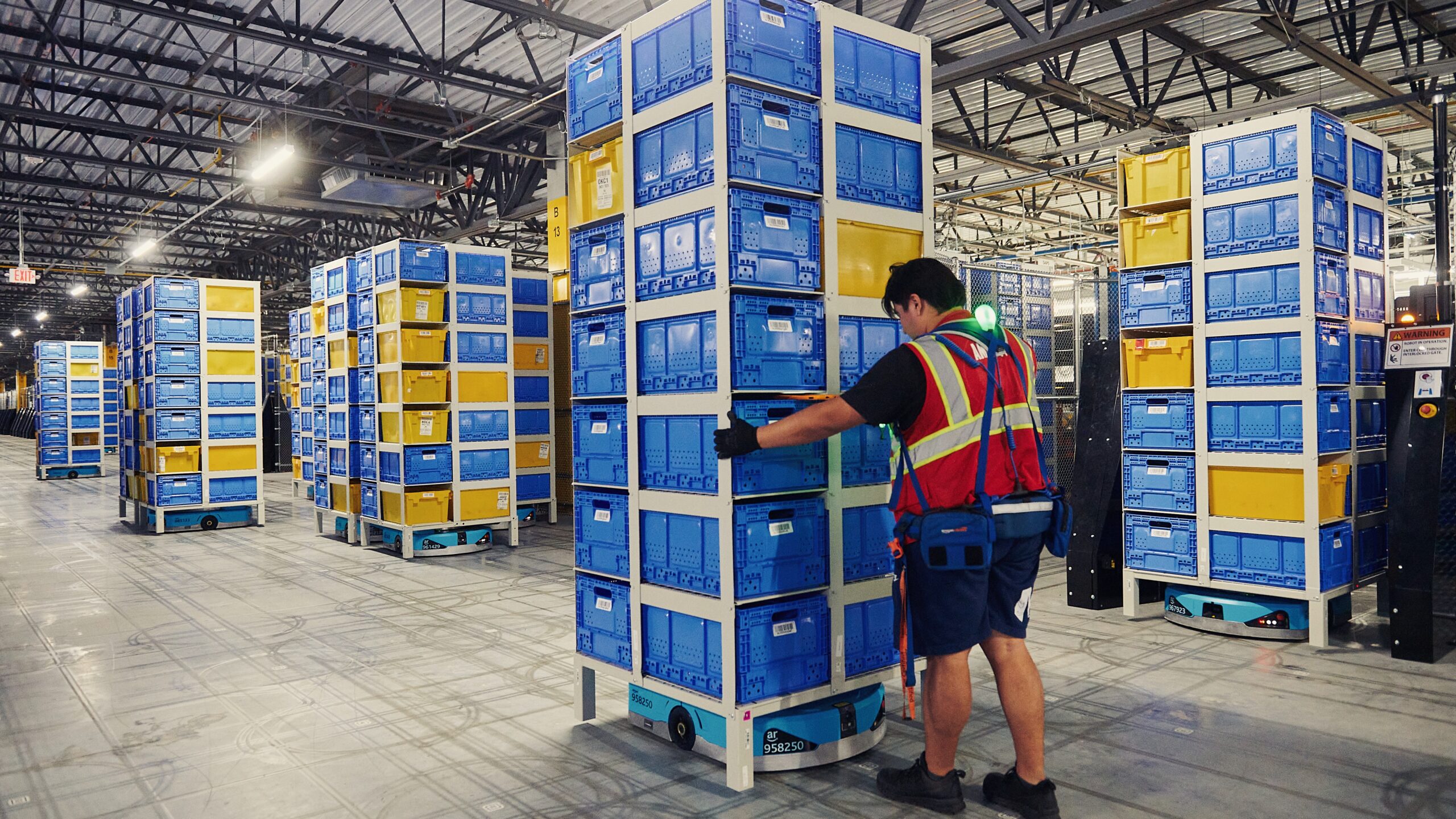
Amazon has over 1 million robot workers. What’s next for human employees?
The growth of Amazon's robotic workforce raises questions about the future roles and safety of human employees in the company's fulfillment centers.
- Amazon employs over 1 million robots in its warehouses, making it the largest robotic workforce globally.
- Despite the extensive use of robots, Amazon remains the second-largest corporate employer with more than 1.5 million human workers.
- Advocates note that while robots can mitigate physical risks for workers, automation is changing dynamics and pace of work in fulfillment centers.
- Amazon has plans to double its fleet of robotic arms this year, indicating a significant investment in automation technology for its operations.
Amazon Robotics emerged from the company's acquisition of Kiva Systems in 2012 to enhance warehouse efficiency. The rise of robots aims to improve fulfillment speed while addressing safety concerns but complicates the human workforce's tasks.
Read the original ↗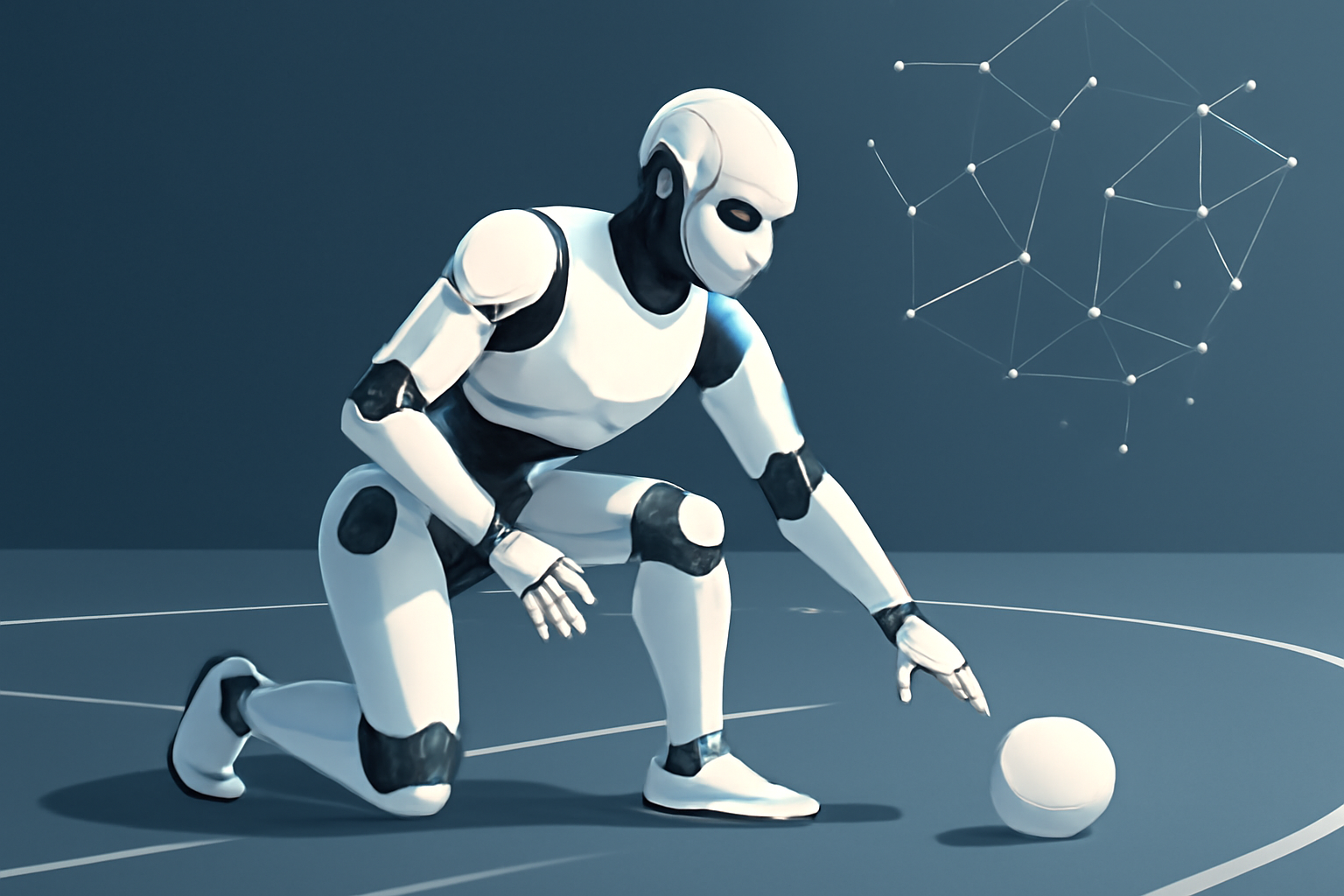
Learning to Play Like a Pro: Adaptive Motion Planning and Tracking for Humanoid Robots
Advancements in adaptive motion planning and tracking for humanoid robots will help enhance their performance in sports and other applications, thereby bridging the gap between simulation and real-world execution.
- This White Paper discusses the decoupling of motion planning and tracking to maintain the athletic style of humanoid robots while ensuring reliable performance.
- Adaptive, speed-aware control is highlighted as crucial for addressing tracking errors that occur during the sim-to-real transition.
- The framework has been validated on two humanoid platforms, demonstrating effective performance in ball sports without a motion-capture system.
Humanoid robots are increasingly capable in ball sports, yet replicating professional athletes' motion styles while completing tasks remains challenging. The development of an adaptive framework aims to separate high-level planning from low-level tracking to improve robustness. Future studies may focus on refining these techniques and expanding their applications in various robotic systems.
Read the original ↗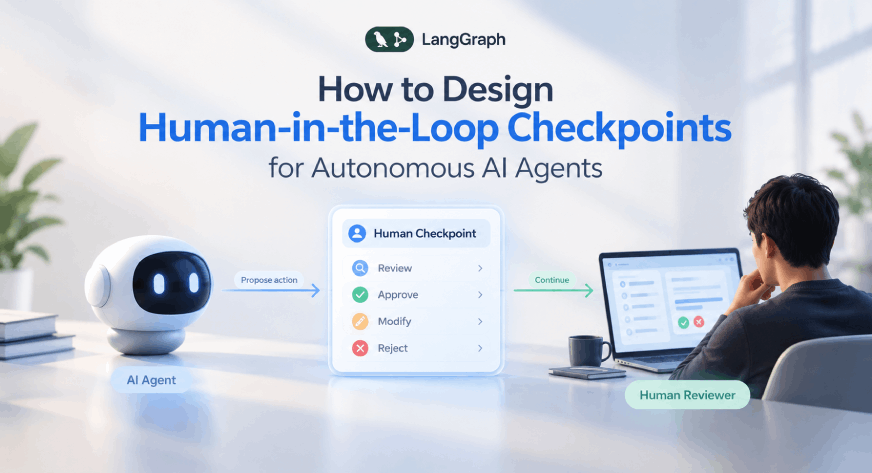
How to Design Human-in-the-Loop Checkpoints for Autonomous AI Agents
This tutorial highlights how human oversight can enhance the safety and reliability of autonomous AI agents, particularly in sensitive transactions like refunds.
- The article outlines the design of human-in-the-loop checkpoints for autonomous AI agents, focusing on LangGraph implementation.
- It describes a refund agent workflow that pauses for human approval before executing sensitive actions, such as issuing refunds.
- The design separates the agent's insight generation from the execution of impactful actions, ensuring human control is applied when necessary.
Human-in-the-loop design involves integrating human oversight into automated processes to mitigate risks. Autonomously functioning AI agents are becoming commonplace, but their unchecked actions can lead to significant errors, especially in financial transactions. The next steps include detailing how to implement these checkpoints in various AI applications.
Read the original ↗
Ukraine’s drones knock out AI data center belonging to “Russia’s Google”
The attack on Yandex's AI data centers highlights the ongoing impact of the Ukraine conflict on technological infrastructures, affecting both national security and civilian services in Russia.
- Ukrainian drone strikes disabled two of Yandex's five data centers in Russia, impacting its AI services.
- The strikes occurred on October 8 and 9 in the Sasovo and Kaluga regions, following a Russian campaign against Ukraine's data facilities.
- Yandex reported disruptions to various services, including popular apps and banking, but stated no employees were harmed.
- The drone responsible for the strikes was identified as Firepoint's FP-1 one-way attack drone, targeting Yandex's largest data center.
- This incident illustrates the growing trend of data centers becoming military targets amid the ongoing conflict.
Yandex is a major Russian technology company, often referred to as 'Russia's Google,' operating the country's leading search engine and various online services. The drone strikes represent an escalation in the ongoing conflict between Ukraine and Russia, with both parties targeting each other's technological infrastructures. Future developments may include further military actions affecting technology companies and civilian services.
Read the original ↗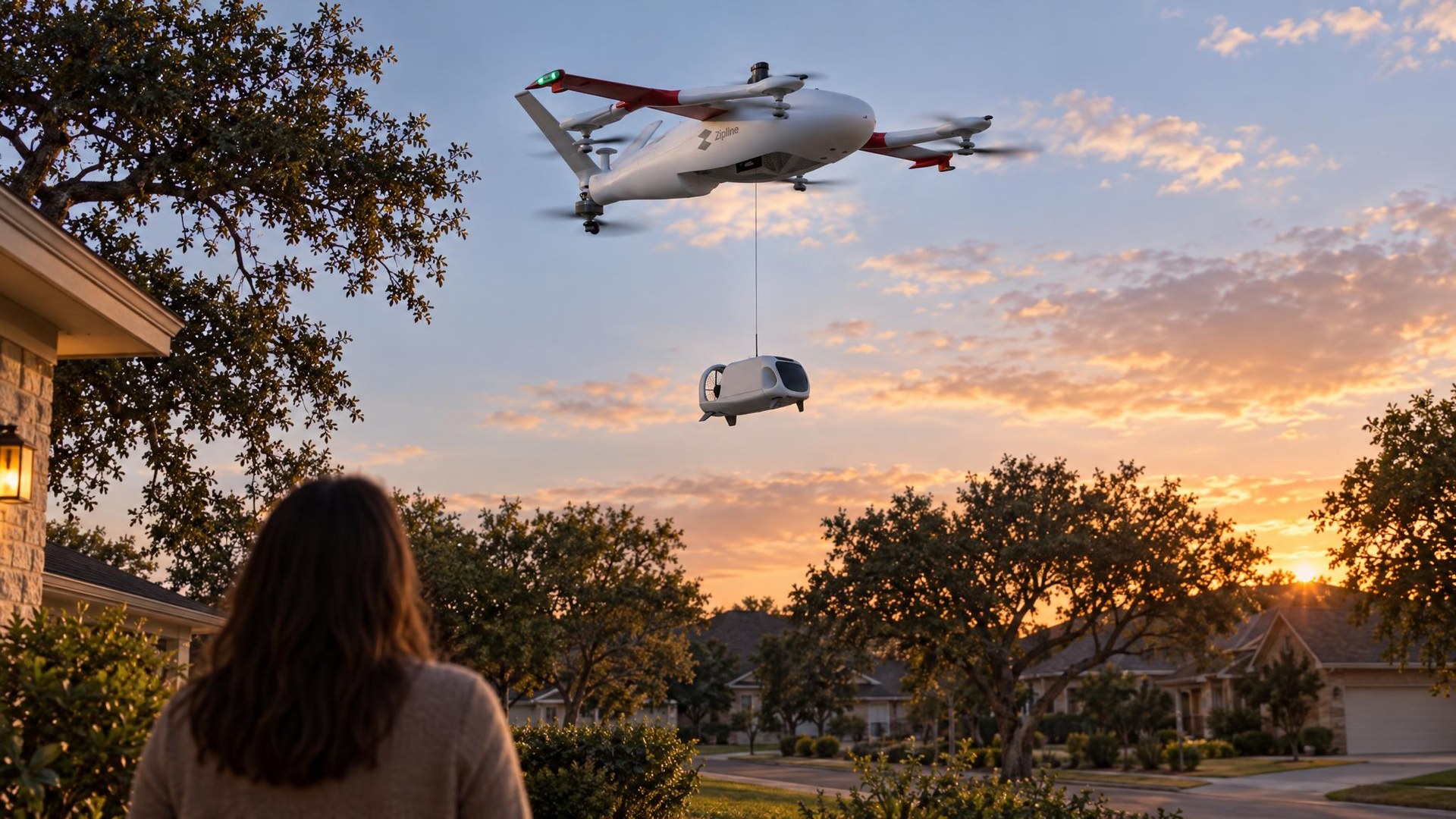
Zipline Launches First Flight Drone Delivery Program in Austin
The launch of Zipline's drone delivery program in Austin could significantly enhance accessibility to goods while potentially alleviating traffic congestion in the area.
- Zipline launched its First Flight early-access drone delivery program in Austin on October 9, 2026, for 5,000 registered residents.
- The service begins in Round Rock and will expand throughout Austin over time, delivering everyday goods and essentials.
- Zipline's autonomous drones provide deliveries by hovering 300 feet above ground and lowering items via a tether.
- The delivery system is marketed as six times quieter than competitors, with noise reduction features and plans to fly at higher altitudes for efficiency.
Zipline is a company that operates electric autonomous drones to deliver goods, having completed over 3 million deliveries worldwide. Its new program in Austin aims to provide convenient deliveries and reduce traffic congestion. With increased urbanization, drone delivery might become a vital logistical solution in growing cities.
Read the original ↗Frequently Asked Questions
- What does The Daily Prompt's robotics news cover?
- We cover humanoid robots, industrial and warehouse automation, autonomous vehicles, drones, surgical and service robots, robotics startups, funding, and the AI research behind them.
- How current is the robotics news feed?
- The feed is refreshed continuously as new stories break, so you always see the latest robotics headlines at the top.
- Is the robotics news free to read?
- Yes. Every story is free and links to the original source. You can also subscribe to get the top AI and robotics news in your inbox.