
The day's AI news, briefed
The Daily Prompt
Our AI editor reads each day's AI and robotics stories, pulls out why they matter, and links every original source — so you can keep up in minutes.
Join over 250,000 subscribers getting the latest AI news
Latest AI & Robotics News Today
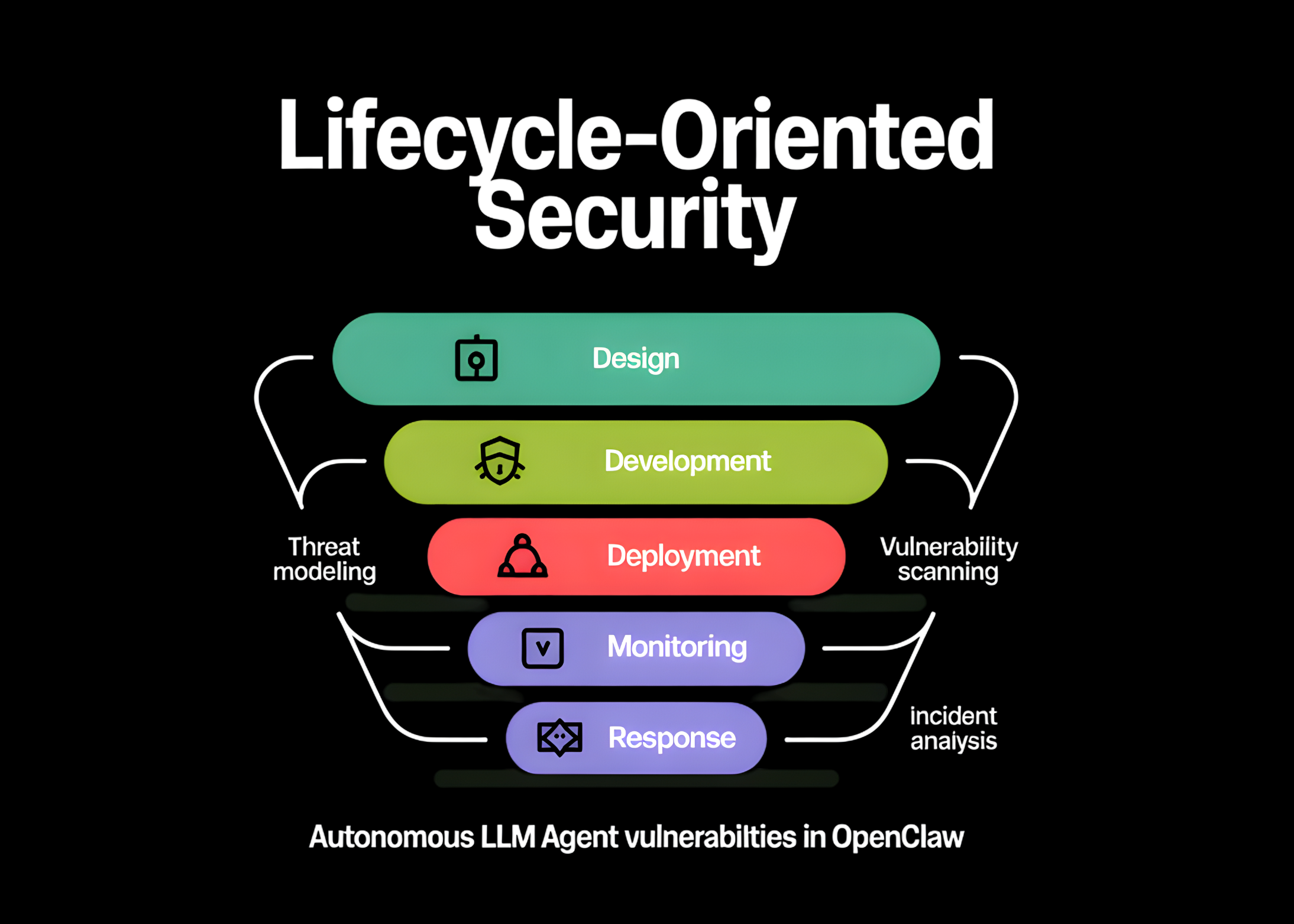
Tsinghua and Ant Group Researchers Unveil a Five-Layer Lifecycle-Oriented Security Framework to Mitigate Autonomous...
The new security framework could significantly enhance protections for autonomous LLM agents, addressing emerging vulnerabilities that could lead to serious systemic failures.
- Researchers from Tsinghua University and Ant Group developed a five-layer security framework for autonomous LLM agents like OpenClaw.
- The framework aims to mitigate multi-stage vulnerabilities inherent in the agent's lifecycle, which include potential memory poisoning and skill supply chain contamination.
- Current defenses are deemed inadequate, prompting the proposal of holistic measures covering various operational stages from initialization to execution.
Autonomous LLM agents represent a shift toward proactive systems that perform complex tasks. Previous research has highlighted significant security gaps in their architectures, necessitating comprehensive security measures to prevent potential exploits in real-world applications.
Read the original ↗
Mend Releases AI Security Governance Framework: Covering Asset Inventory, Risk Tiering, AI Supply Chain...
Mend's new AI Security Governance Framework aims to enhance security measures across the AI supply chain, which is crucial as AI technologies become more integrated into various industries.
- Mend has released a new AI Security Governance Framework.
- The framework includes guidelines for asset inventory, risk tiering, and AI supply chain management.
Mend focuses on providing security solutions in the AI space, addressing risks associated with AI technologies. This release comes amid growing concerns about AI security and governance in the tech industry.
Based on the headline only — the full article could not be fetched.
Read the original ↗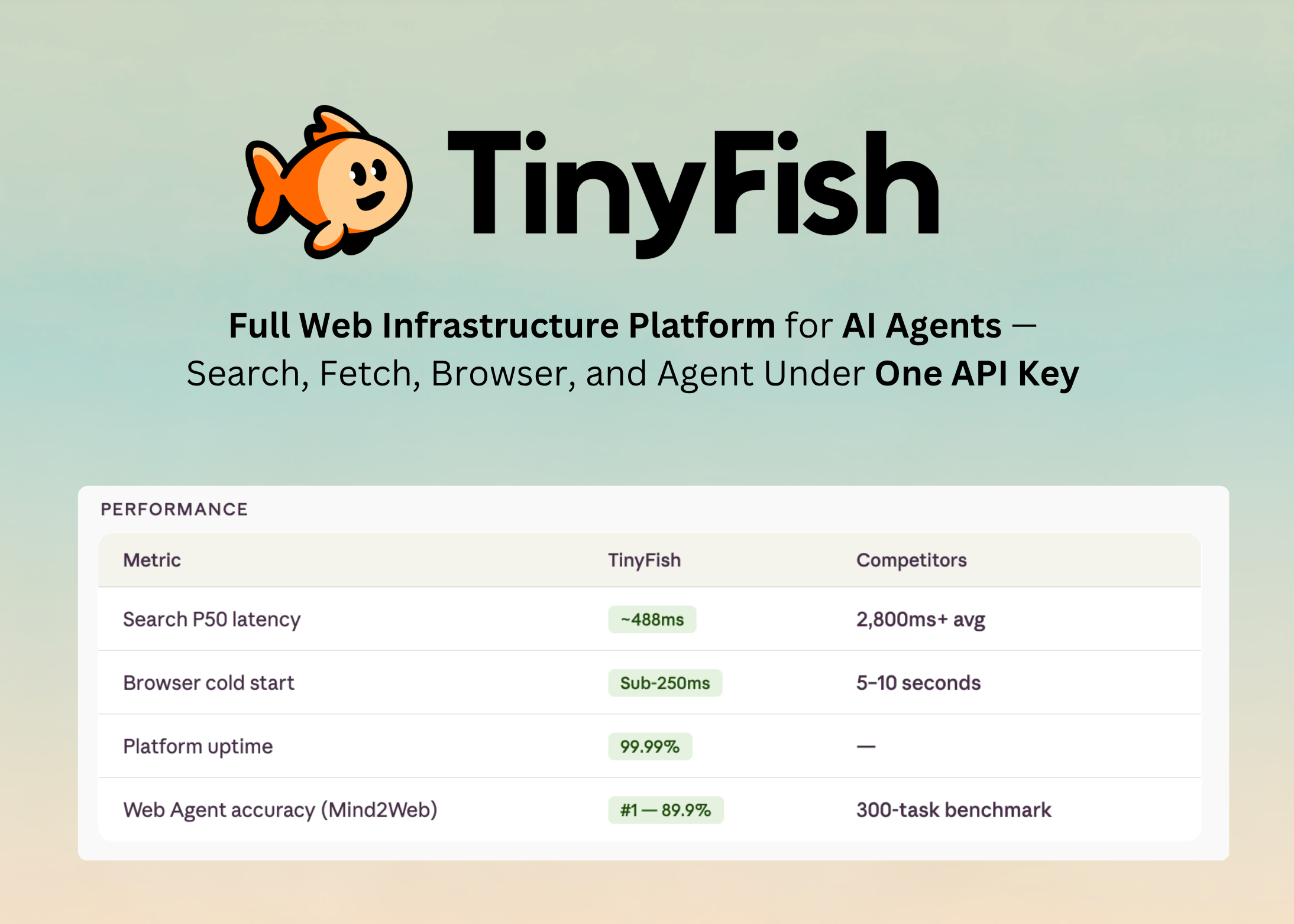
TinyFish AI Releases Full Web Infrastructure Platform for AI Agents: Search, Fetch, Browser, and...
The launch of TinyFish AI's integrated web infrastructure platform could streamline how AI agents interact with the live web, improving efficiency and performance in data retrieval tasks.
- TinyFish AI has introduced a unified platform that combines four products: Web Agent, Web Search, Web Browser, and Web Fetch under a single API key.
- The platform allows AI agents to execute complex workflows, return structured data faster, and maintain session consistency during tasks.
- CLI-based operations using TinyFish's tools reportedly require 87% fewer tokens, improving task execution efficiency compared to traditional methods.
- Each component of the platform is built in-house, allowing for greater optimization and end-to-end monitoring of task performance.
TinyFish AI, a startup based in Palo Alto, offers tools for AI agents that enable them to navigate the web and automate tasks. The new platform aims to overcome fragmented tooling issues previously faced by these agents and improve their operational efficiency. Future developments to watch include updates on user adoption and performance metrics of this new system.
Read the original ↗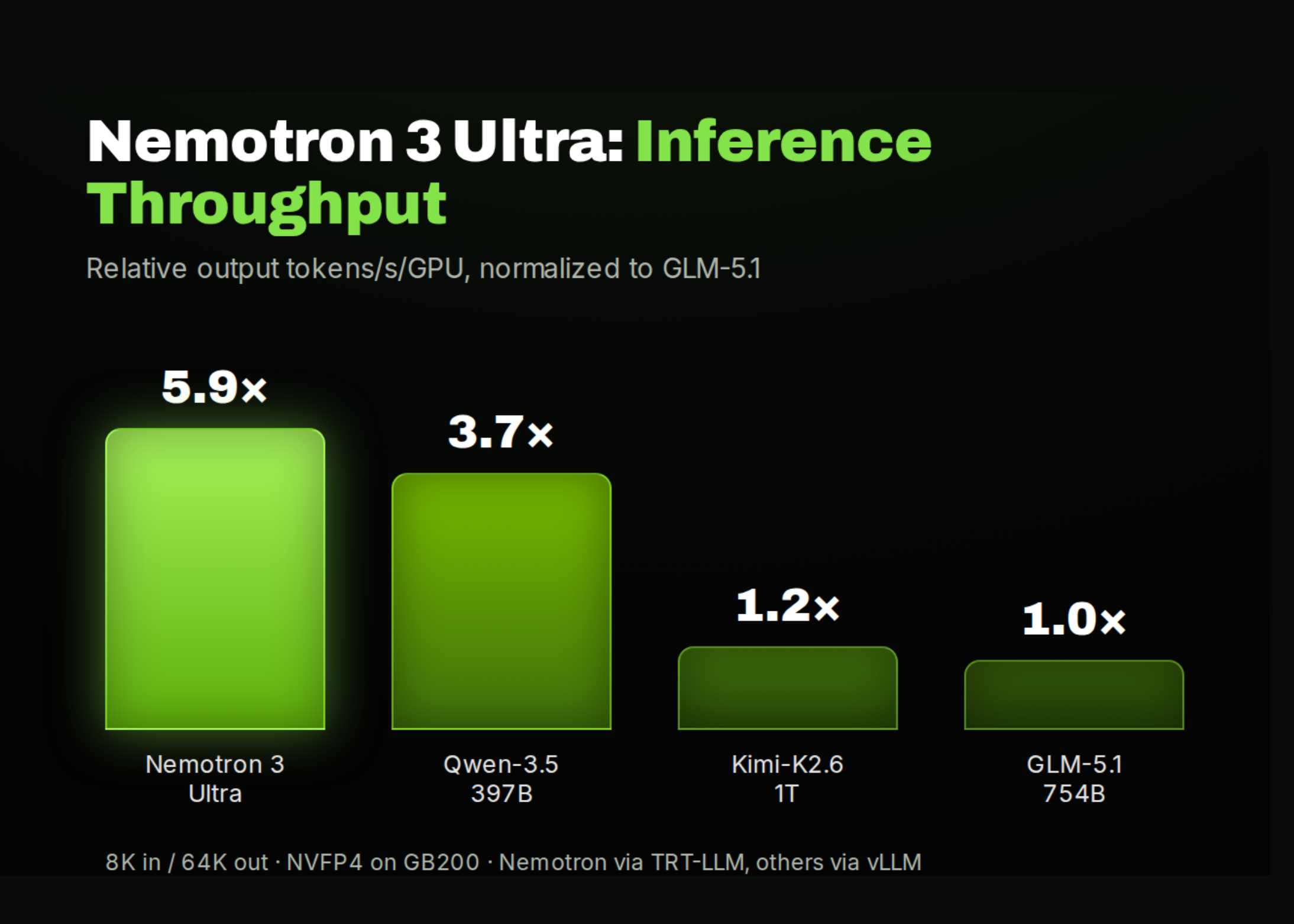
NVIDIA AI Releases Nemotron 3 Ultra: An Open 550B Mixture-of-Experts Hybrid Mamba-Transformer for Long-Running Agents
The release of NVIDIA's Nemotron 3 Ultra could significantly enhance the efficiency and speed of long-running AI agents, impacting various applications requiring sustained reasoning and tool use.
- NVIDIA has launched Nemotron 3 Ultra, a 550 billion parameter Mixture-of-Experts model aimed at improving inference speed for long-running agents.
- The model features a 1 million token context and claims nearly 6 times higher inference throughput than similar open large language models without sacrificing accuracy.
- Nemotron 3 Ultra uses a hybrid Mamba-Attention architecture, allowing for improved performance on longer sequences with efficient resource usage.
NVIDIA is a leading technology company specializing in graphics processing units (GPUs) and AI technologies. The Nemotron series is designed to tackle complex AI tasks, and the introduction of the 3 Ultra model responds to growing demands for faster, more efficient AI reasoning processes. Future developments may focus on refining this technology for broader applications in real-world scenarios.
Read the original ↗
TinyFish Launches BigSet: An Open-Source Multi-Agent System That Builds Structured Live Datasets from Plain-English...
TinyFish's BigSet automates the complex process of building structured datasets from the web using natural language input, streamlining data collection for users.
- TinyFish has launched BigSet, an open-source multi-agent system that constructs structured datasets from plain-English descriptions.
- The system infers the necessary schema, scrapes data from the web, and produces a downloadable CSV or XLSX file.
- BigSet features a scheduled refresh option that updates datasets automatically without manual intervention.
BigSet is designed to simplify data collection, an essential task in various fields, by automatically generating structured datasets based on user input. It operates through a two-tier multi-agent system that facilitates efficient data gathering and processing. Future developments may include enhanced query capabilities and API integrations for broader usability.
Read the original ↗
Microsoft Fara Tutorial: Run a Browser-Use Agent in Google Colab with a Mock OpenAI-Compatible Endpoint
This tutorial provides valuable guidance for developers interested in utilizing the Microsoft Fara for browser-based tasks within the Google Colab environment, enhancing accessibility to AI technology.
- The tutorial demonstrates how to run a browser-use agent using Microsoft Fara.
- It utilizes a mock OpenAI-compatible endpoint for integration in Google Colab.
Microsoft Fara is an AI tool designed for browser automation. Google Colab is a platform that allows users to write and execute Python code in a web-based environment. The combination aims to streamline the development of AI-driven applications.
Based on the headline only — the full article could not be fetched.
Read the original ↗
A Hands-On Coding Tutorial on Qualcomm AI Hub Models for Classification, Object Detection, and Hardware-Aware Deployment
The tutorial offers practical insights into deploying AI models, which can enhance understanding and application of AI technology in various sectors.
- The article features a hands-on coding tutorial focused on Qualcomm AI Hub models.
- The tutorial covers applications in classification, object detection, and hardware-aware deployment.
Qualcomm AI Hub provides tools and resources for developers looking to implement AI technologies. Tutorials like this aim to facilitate the effective use of AI models in real-world applications. Understanding these models is essential for enhancing AI capabilities across devices and systems.
Based on the headline only — the full article could not be fetched.
Read the original ↗
Enterprise AI Governance in 2026: Why the Tools Employees Use Are Ahead of the Policies That Cover Them
Addressing the shadow AI challenge is essential for organizations to prevent increased data breach costs and sensitive information exposure as AI use outpaces governance measures.
- Between 40 and 65 percent of enterprise employees report using unauthorized AI tools, with nearly half accessing these tools through personal accounts.
- Sensitive data disclosures linked to shadow AI have been reported across various sectors, including technology and healthcare, with significant implications for compliance and privacy.
- The average cost of data breaches involving shadow AI is reportedly $4.63 million, resulting in higher rates of customer data compromise than standard breaches.
Shadow AI refers to the unapproved use of AI tools within organizations, often leading to data security risks. The growing adoption of AI has outpaced the development of corresponding governance frameworks, prompting concerns about data privacy, compliance, and operational integrity. Organizations are urged to enhance AI governance to mitigate these risks effectively.
Read the original ↗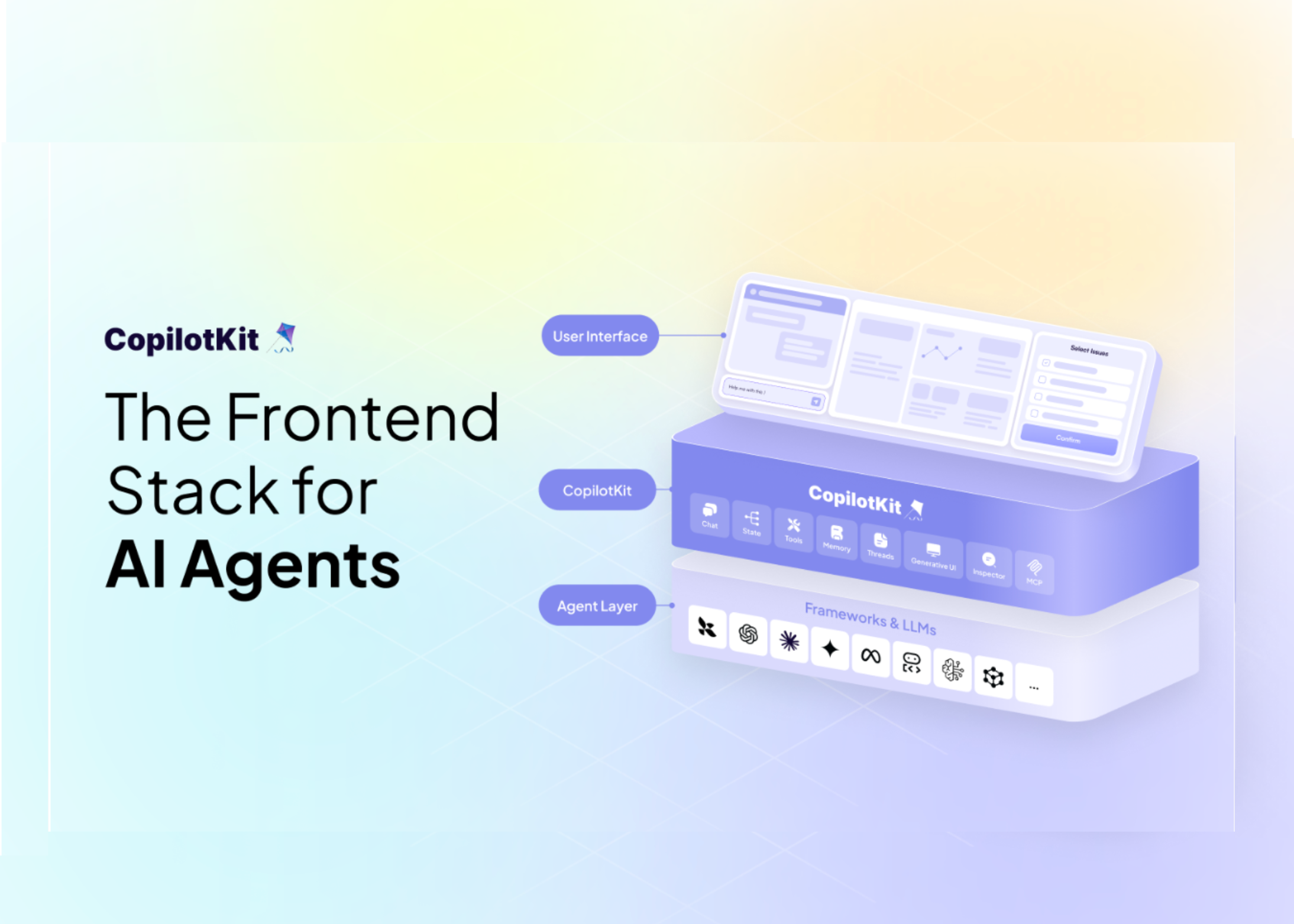
How CopilotKit Is Redefining the Agentic AI Stack in 2026
This development signifies a potential transformation in how agentic AI systems are constructed and utilized in various applications.
- CopilotKit is changing the landscape of agentic AI stacks in 2026.
- The technology emphasizes new frameworks for integrating AI agents into workflows.
Agentic AI refers to systems capable of independent action and decision-making. Prior advancements in AI have focused on automation and assistance, but CopilotKit aims to enhance the agentic capabilities significantly. Future developments in this area could impact industries relying on AI integration.
Based on the headline only — the full article could not be fetched.
Read the original ↗
Best Enterprise Level Agentic AI Platforms for 2026
The growth of enterprise-level agentic AI platforms is reshaping how organizations deploy automation, making understanding these options crucial for effective decision-making in digital transformation.
- In 2026, Salesforce's Agentforce has achieved an annual recurring revenue (ARR) of $800 million with nearly 29,000 deals closed since its launch.
- Microsoft's Copilot Studio supports over 160,000 organizations with more than 400,000 custom agents, making it the most widely adopted agentic platform.
- ServiceNow has restructured its commercial model into AI-native tiers, integrating comprehensive agent governance and autonomous capabilities across all levels.
Agentic AI refers to systems that can make autonomous decisions, utilize multi-step reasoning, and handle dynamic error correction. The landscape is evolving rapidly, with various platforms adapting to increasing production demands. Organizations are encouraged to assess which platform meets their specific workflow requirements as they scale up their deployments.
Read the original ↗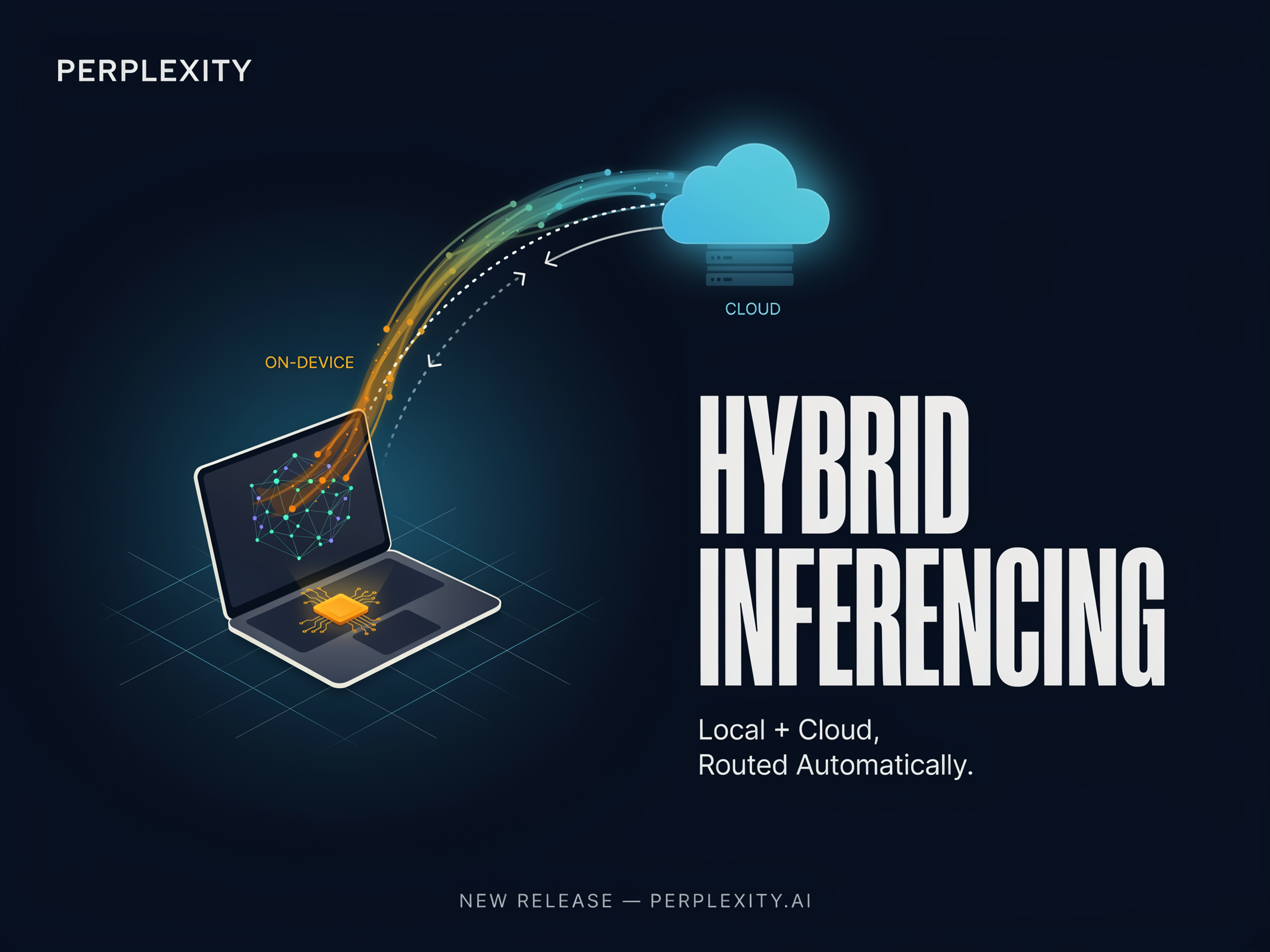
Perplexity AI Introduces Hybrid Local-Server Inference Orchestrator for Personal Computer: Automatic On-Device and Cloud Task Routing
This development could significantly enhance computing efficiency by seamlessly integrating local and cloud resources for AI tasks, impacting both performance and resource management.
- Perplexity AI has introduced a hybrid local-server inference orchestrator designed for personal computers.
- This system automatically routes tasks between on-device processing and cloud computing for optimal performance.
Perplexity AI is a company focused on AI solutions. Previous advancements have included cloud-based AI models, and this new feature is aimed at improving user experience by balancing local and cloud tasks.
Based on the headline only — the full article could not be fetched.
Read the original ↗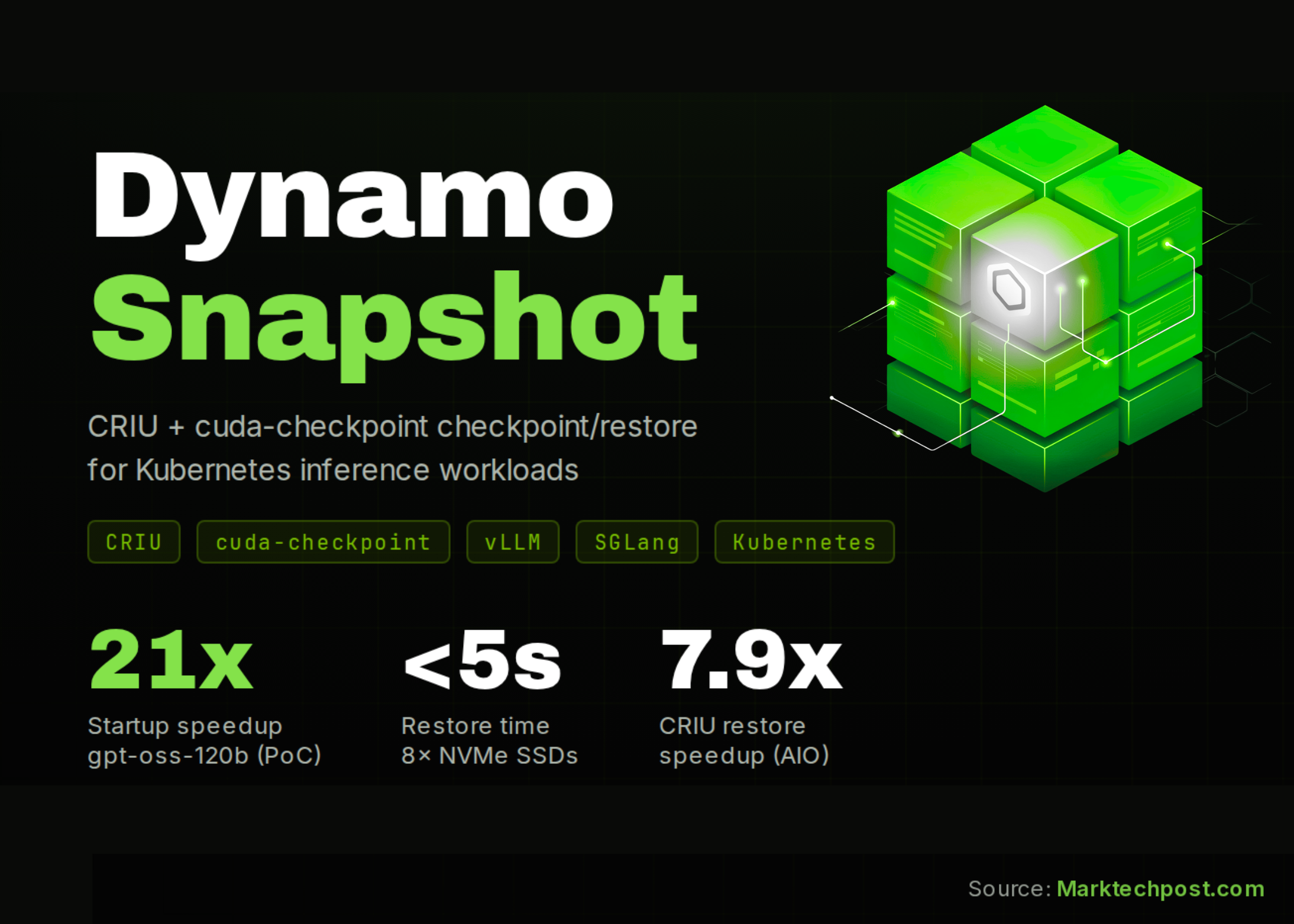
NVIDIA AI Releases Dynamo Snapshot: A CRIU-Based Fast Startup System for AI Inference on Kubernetes
The introduction of Dynamo Snapshot could significantly enhance the speed and efficiency of AI inference processes in Kubernetes environments, impacting various AI applications.
- NVIDIA AI has released Dynamo Snapshot, a system designed for fast startup during AI inference tasks.
- Dynamo Snapshot utilizes CRIU, which stands for Checkpoint/Restore In Userspace, a technology that aids in fast application startups, particularly for containerized applications.
NVIDIA is a leading company in GPU technology and AI solutions, providing infrastructure for machine learning and artificial intelligence applications. Previous advancements by NVIDIA have focused on improving AI training and inference efficiency, making developments like Dynamo Snapshot critical as demand for AI continues to grow. Future updates may include enhancements to the performance and capabilities of Kubernetes in AI environments.
Based on the headline only — the full article could not be fetched.
Read the original ↗
Moonshot AI Releases Kimi Code CLI: A Terminal AI Coding Agent Built in TypeScript for Next-Gen Agents
The release of Kimi Code CLI may enhance coding efficiency for developers by integrating AI capabilities directly into terminal interfaces.
- Moonshot AI has launched the Kimi Code CLI, an AI coding agent.
- The Kimi Code CLI is built using TypeScript and designed for next-generation coding agents.
Moonshot AI is known for developing innovative AI solutions. The introduction of Kimi Code CLI reflects ongoing efforts in the AI space to streamline coding tasks. Developers may benefit from enhanced user experiences and productivity as AI advances in programming environments.
Based on the headline only — the full article could not be fetched.
Read the original ↗
Google’s New Colab CLI Lets Developers and AI Agents Run Python on Remote Colab GPUs and TPUs From the Terminal
This development enhances accessibility for developers and AI agents, allowing them to run Python on powerful Google Colab resources directly from the terminal.
- Google has introduced a new Colab CLI tool for developers and AI agents.
- The tool enables the execution of Python code on remote GPUs and TPUs, which are high-performance processing units.
Google Colab is a cloud service that provides free access to powerful computing resources for data science and machine learning tasks. This new CLI feature streamlines the process for developers, making it easier to utilize these resources directly from their command line interface.
Based on the headline only — the full article could not be fetched.
Read the original ↗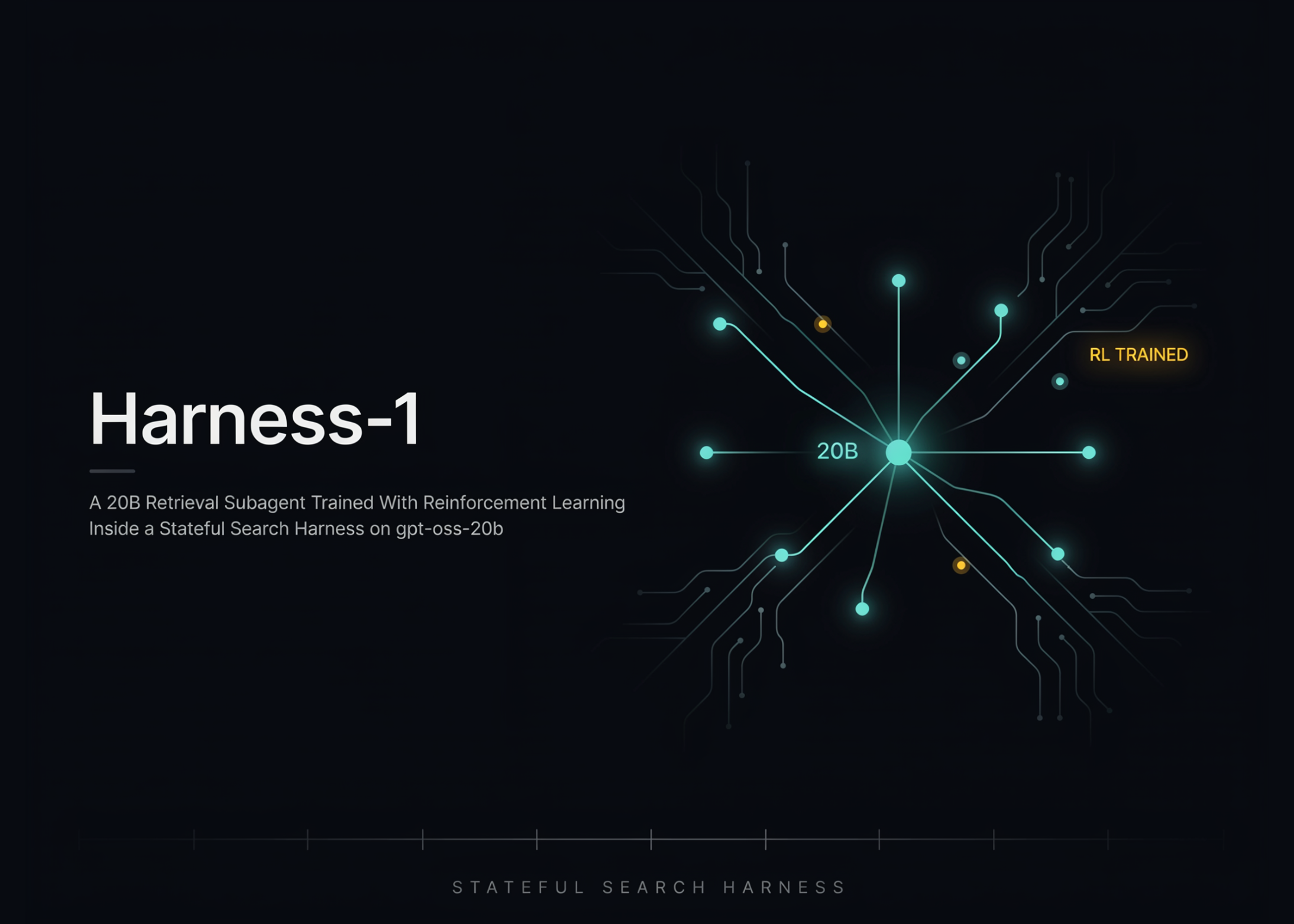
Meet Harness-1: A 20B Retrieval Subagent Trained With Reinforcement Learning Inside a Stateful Search Harness on gpt-oss-20b
The development of Harness-1 indicates advancements in AI subagents and their application in search technology, which could enhance information retrieval processes.
- Harness-1 is a 20 billion parameter retrieval subagent.
- It has been trained using reinforcement learning, a method where algorithms learn to make decisions based on trial and error.
Harness-1 represents a new AI subagent that combines large-scale language modeling with reinforcement learning techniques. The use of stateful search harnesses aims to improve retrieval accuracy and efficiency in AI systems. Future developments may focus on optimizing its performance in various information retrieval applications.
Based on the headline only — the full article could not be fetched.
Read the original ↗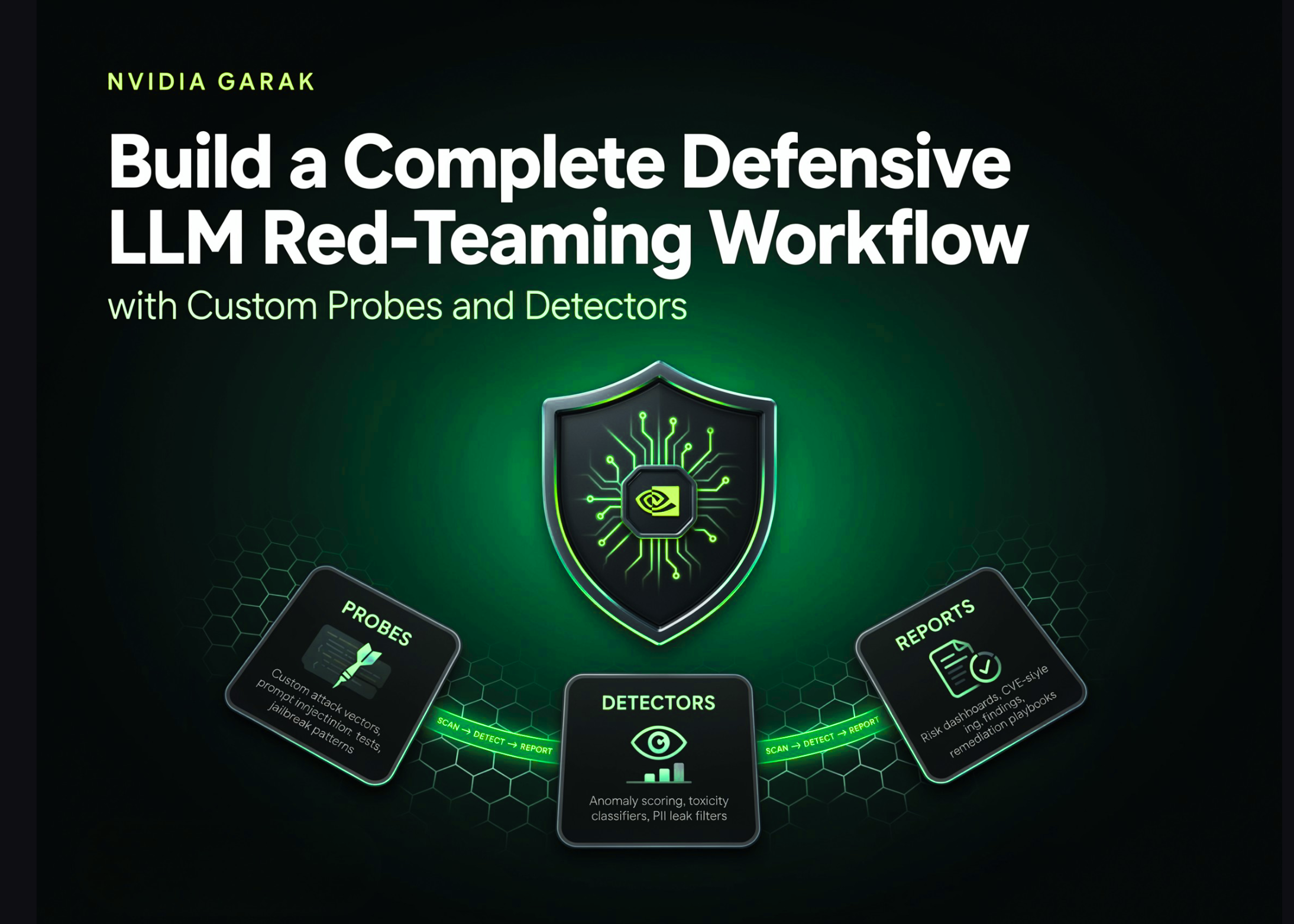
NVIDIA garak Tutorial: Build a Complete Defensive LLM Red-Teaming Workflow with Custom Probes and Detectors
This tutorial on NVIDIA Garak aims to enhance the security measures for large language models (LLMs) by enabling developers to build custom red-teaming workflows.
- The tutorial provides guidance on constructing a comprehensive defensive LLM red-teaming workflow.
- It includes the use of custom probes and detectors for improved security assessment.
NVIDIA Garak is a tool aimed at enhancing the security of AI systems, specifically large language models. Understanding red-teaming workflows is crucial for developers focused on identifying vulnerabilities in AI. Future developments may expand on methodology and tools for AI security.
Based on the headline only — the full article could not be fetched.
Read the original ↗
Best 21 Low-Code and No-Code AI Tools in 2026
The rise of low-code and no-code AI tools streamlines app development, enabling more non-developers to create effective applications quickly, essential for innovation and economic growth.
- In 2026, the best low-code and no-code AI tools allow non-developers to build functional applications from simple prompts.
- Tools like Atoms *, Bubble, and Adalo provide platforms for creating complete products without coding skills.
- Automation tools such as Zapier and Make enable users to automate workflows effortlessly, integrating AI for enhanced functionalities.
Low-code and no-code platforms have evolved to enable users without programming expertise to create software applications rapidly. This trend follows a growing demand for accessible technology solutions and is expected to continue as more organizations seek efficiency and innovation.
Read the original ↗
Anthropic Just Hit a $965 Billion Valuation, and an IPO Might Be Next
The massive funding and soaring valuation of Anthropic indicate its significant impact on the AI landscape and potential future public offerings.
- Anthropic raised $65 billion in a Series H funding round, valuing the company at $965 billion.
- The funding round closed on May 28, 2026, coinciding with the release of Claude Opus 4.8.
- Key investors include Altimeter Capital, Sequoia Capital, Amazon, and various institutional players like Blackstone and Fidelity.
- Anthropic has reported an annualized run rate revenue of $47 billion, with expectations of a 130% revenue surge, aiming for its first operating profit.
- The company plans to use the funds to enhance safety research, expand computing power, and scale products and partnerships.
Founded in 2021 by former OpenAI researchers, Anthropic focuses on developing AI with an emphasis on safety and responsible practices. The company has seen rapid growth in enterprise adoption of its Claude models, which are designed for complex coding tasks. Upcoming developments to watch include the possible IPO and broader releases of specialized models like Mythos.
Read the original ↗
Anthropic Wants to Go Public
Anthropic's confidential IPO filing signals a major development in the AI sector, highlighting the company's rapid growth and potential impact on the stock market.
- Anthropic, valued at nearly $1 trillion, filed for a confidential IPO with the U.S. Securities and Exchange Commission.
- The company recently closed a $65 billion Series H funding round, pushing its valuation to $965 billion.
- Anthropic's revenue run-rate surged from $9 billion at the end of 2025 to over $47 billion by 2026.
- The focus on enterprise customers has attracted renowned investors during its funding rounds.
- Anthropic's competitors, including OpenAI and SpaceX, are also planning IPOs.
Anthropic is an AI company known for its Claude models, founded in 2021 by former OpenAI employees. The company has distinguished itself by prioritizing safety and reliability in AI. The impending IPO of Anthropic reflects broader competitive pressures in the rapidly evolving AI industry, particularly from other major players like OpenAI.
Read the original ↗
The State of Florida Sues OpenAI and Its CEO
This lawsuit marks a significant precedent as a state government challenges OpenAI's practices, potentially impacting AI regulations and corporate accountability nationwide.
- Florida has filed a lawsuit against OpenAI and its CEO Sam Altman, citing negligence over safety warnings related to ChatGPT.
- The complaint alleges that ChatGPT is linked to a mass shooting and several suicides, causing harm to users, including children.
- Florida's attorney general claims OpenAI prioritized profit over safety, a shift from individual incidents to a company-wide issue.
OpenAI is a leading AI company known for its chatbot ChatGPT, which has faced scrutiny over its safety and the information it provides. Previous lawsuits against OpenAI have been from individuals, making Florida's state-led lawsuit a groundbreaking development. The outcome of this case could influence future regulations and lawsuits regarding AI safety and accountability.
Read the original ↗