
The day's AI news, briefed
The Daily Prompt
Our AI editor reads each day's AI and robotics stories, pulls out why they matter, and links every original source — so you can keep up in minutes.
Join over 250,000 subscribers getting the latest AI news
Latest AI & Robotics News Today

ReWorld: An Interactive World Model with Long-Horizon Memory
ReWorld represents a significant advancement in interactive world modeling, enhancing both action fidelity and long-range memory, which could improve real-time applications in gaming and simulations.
- ReWorld separates short-horizon control and long-horizon memory during training to improve real-time interactive world modeling.
- It uses mixed attention windows to manage memory retrieval effectively during user interaction.
- The model achieves the best control fidelity and generation quality compared to six recent interactive world models.
- A unique data engine aligns various sources, including Unreal-rendered fly-throughs, to maintain consistent actions across different environments.
- The technology supports streaming high-resolution video while maintaining performance for long-duration tasks.
ReWorld is a newly developed interactive world model designed to handle user actions and memory recall dynamically in real time. Previous models struggled to balance short and long-term memory, affecting performance. Future developments will likely focus on enhancing these capabilities further in practical applications.
Read the original ↗
Unlocking the Potential of Image Editing via Concept Scaling and Dense Supervision
The development of new methods for image editing may enable more precise and efficient tools for creators, influencing various fields such as digital art and advertising.
- A new hierarchical taxonomy features over 1,000 fine-grained edit concepts to improve image editing.
- The ConceptEdit-12M dataset consists of 12 million paired editing examples, enhancing training processes.
- A proposed dense supervision strategy increases training efficiency by creating multiple non-interfering concepts for single image pairs.
Image editing traditionally relies on text-to-image diffusion models, which often lack detail in concepts and suffer from sparse data signals. This study aims to improve efficiency and performance in image editing tasks with a structured dataset and training strategy. Future developments should focus on refining these methods and expanding the dataset further.
Read the original ↗
TLive-Omni: An Omni-Modal Understanding Model for E-Commerce Live Streaming
The development of TLive-Omni may enhance how consumers engage with e-commerce live streaming by improving the accuracy of understanding product information across various media formats.
- TLive-Omni is an omni-modal understanding model for live-commerce that integrates image, video, audio, and text inputs for better real-time comprehension.
- The model utilizes a timestamped token organization called Per-vGrid to ensure precise temporal alignment of audio and visual content during long live streams.
- TLive-Omni features a three-stage supervised training process, progressing from basic perception to advanced instruction-following capabilities in live-commerce contexts.
- Reinforcement fine-tuning, known as Faithful-RFT, is included to ensure accurate instant responses aligned with live-stream demands.
- Experiments indicate that TLive-Omni performs well across various live-commerce tasks and general benchmarks, with versions available in 4B and 9B parameter sizes.
TLive-Omni is designed to enhance understanding in e-commerce live streaming by consolidating multiple media types into a coherent format. Previous models have struggled with the complexity of live streams featuring overlapping audio and visual elements. Future developments may focus on scaling its applications across various live commerce platforms.
Read the original ↗
Prime Agent: A Self-Improving RLM Harness
The Prime Agent harness significantly improves language models' performance in long-horizon coding and reasoning tasks, which could advance real-world applications in AI.
- Prime Agent is an open-source framework designed to enhance language models' long-horizon capabilities through recursive subagents and persistent computation.
- It integrates a persistent IPython REPL for context processing and supports agent-to-agent communication for better coordination.
- Prime Agent raised ARC-AGI-3 RHAE Best@1 performance from 30% to 95.5% in various tasks, including coding and GPU-kernel generation.
Prime Agent utilizes advanced algorithms for improved reasoning and coding workflows. This announcement follows ongoing advancements in language models, aiming to enhance their application in complex scenarios. Future developments may center on integrating more robust AI capabilities into everyday tasks.
Read the original ↗
Apodex 1.1: Scaling Agentic Intelligence for Complex Work
The introduction of Apodex 1.1 signifies advancements in agentic intelligence, promoting enhanced capability for managing complex, real-world tasks effectively and reliably over time.
- Apodex 1.1 improves task management by scaling executable environments and training agents for long-horizon tasks with state maintenance and recovery.
- The model features Environment Scaling for diverse executable file and code environments and Agentic Coordination Scaling for task decomposition and parallel work.
- Apodex 1.1 performs competitively even with a smaller model size of 35 billion parameters, offering local deployment options with Apodex 1.1 Mini.
- The system aims to establish a Heavy-Duty Solver for ambitious tasks by facilitating sustained, verifiable progress across various professional sectors.
Apodex 1.1 is a new model designed for scaling agentic intelligence in professional environments. It builds on previous advancements in artificial intelligence, particularly in the handling of complex tasks. Future developments will focus on further enhancements in agent coordination and broader application scenarios.
Read the original ↗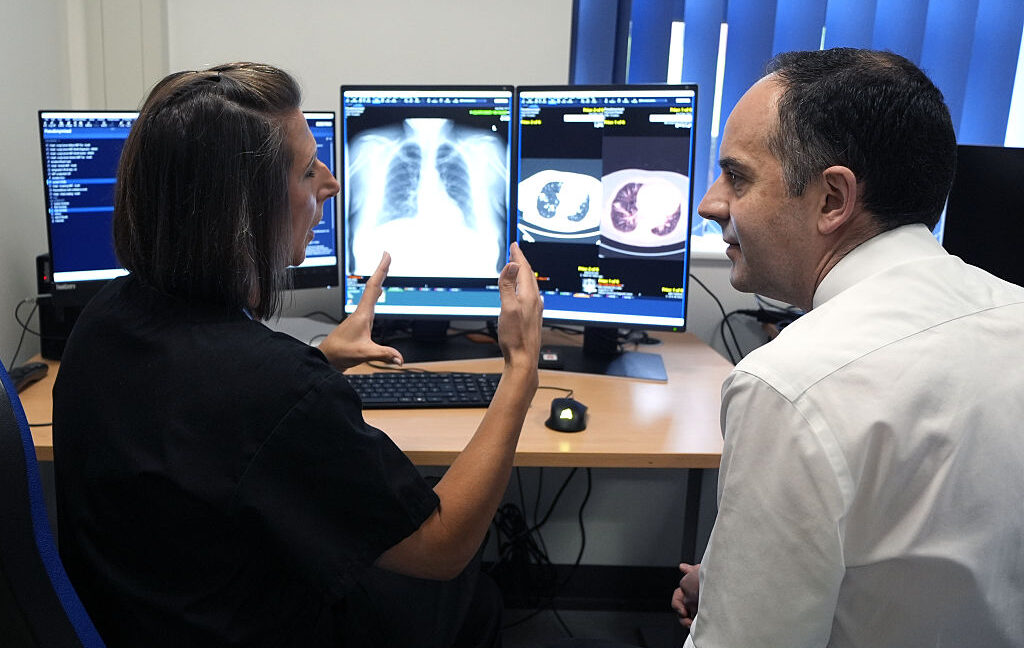
AI won’t replace radiologists, but it will dramatically change their jobs
The integration of AI in radiology transforms job responsibilities, emphasizing the need for effective collaboration between AI and human radiologists to enhance diagnostic accuracy.
- AI is reshaping radiology, with three-quarters of FDA-cleared AI medical devices focusing on this field.
- The number of radiologists is projected to grow by 26 percent over the next three decades.
- AI systems can surpass human performance in identifying certain medical anomalies, thus improving diagnostic accuracy.
- Radiologists must learn to assess AI decisions while overcoming biases in trusting or distrusting AI outputs.
- Training in AI usage is essential, as many physicians currently receive little to no training in this technology.
Radiologists interpret medical images for diagnosis, and AI is increasingly incorporated into this work. The trend toward integrating AI tools began in earnest over the past decade, making it a critical component of modern diagnostics. Moving forward, it's essential for radiologists to adapt and collaborate with AI technologies, ensuring optimal patient care.
Read the original ↗
Gatik Raises $200M Series D to Scale Autonomous Freight Operations
This investment allows Gatik to enhance its position in the autonomous freight market, potentially revolutionizing supply chain logistics for major retailers.
- Gatik raised $200 million in a Series D funding round led by Qatar Investment Authority and Koch Disruptive Technologies.
- The funding comes shortly after Gatik signed a multi-year partnership with PepsiCo to utilize driverless trucks.
- Gatik operates its autonomous trucks across Texas, Arizona, and Arkansas, reporting 85,000 fully driverless orders completed.
- The company has more than $600 million in contracted revenue and a 99% on-time delivery rate.
Gatik is an autonomous trucking startup specializing in short-haul "middle-mile" freight, connecting distribution centers to retail stores. The company has established significant partnerships and seen growing investment as it transitions from pilot projects to commercial operations. Future developments to follow include an increase in its fleet size and expansion of operations.
Read the original ↗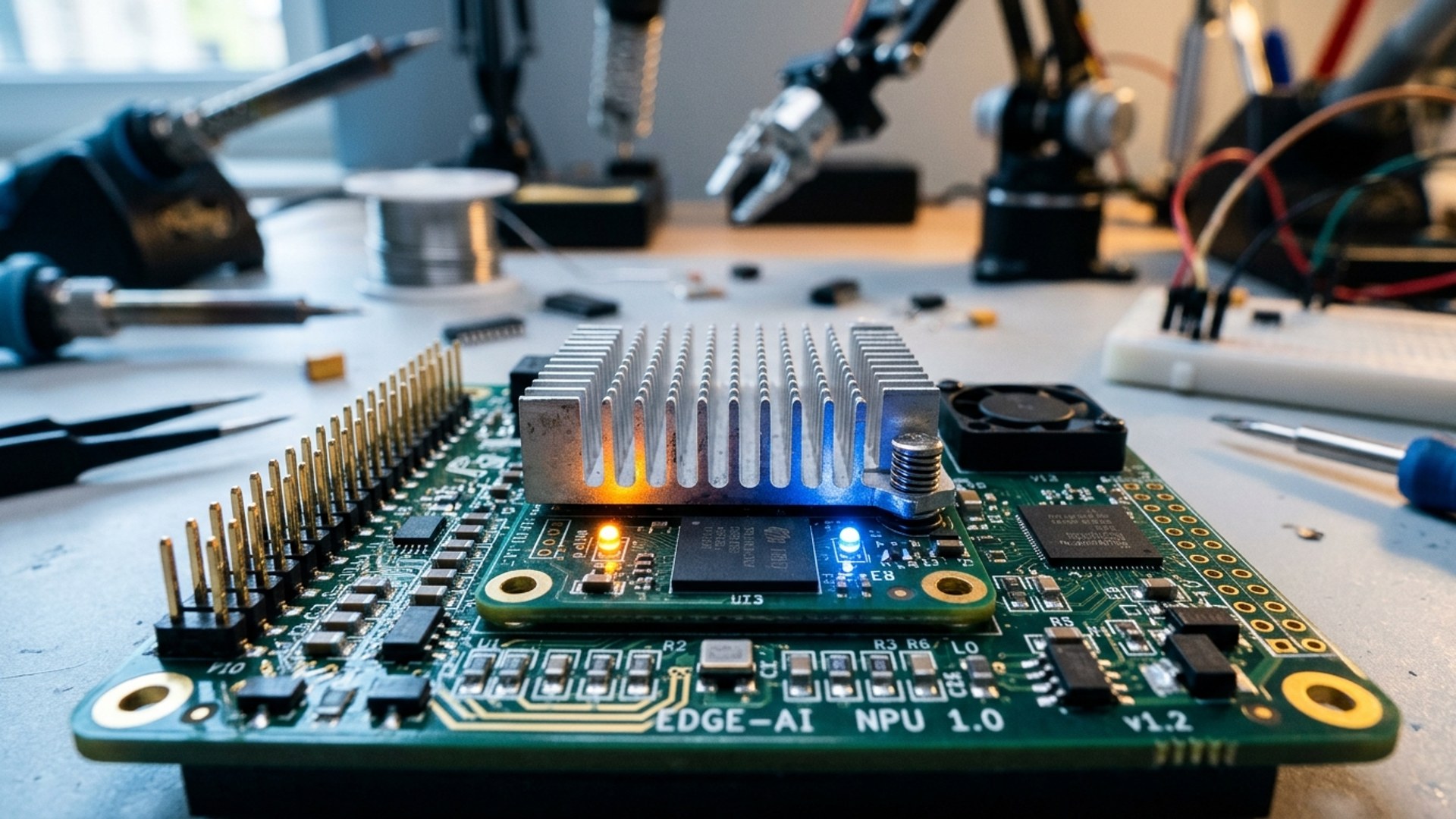
NVIDIA Unveils Jetson Orin Nano 2 to Redefine Entry-Level Edge AI
The Jetson Orin Nano 2's increased performance and reduced power consumption could significantly enhance real-time AI capabilities for edge devices across various industries.
- NVIDIA announced the Jetson Orin Nano 2, which doubles inference performance compared to its predecessor, the Jetson Orin Nano Super, while cutting power draw by 40%.
- The module features 78 trillion operations per second of AI compute, 8GB of memory, and an 8-core Arm CPU, targeting robots and drones.
- Initial customers include Wing, Matic, Cognex, and Doosan Bobcat, which plan to use the module for applications such as drone delivery and home cleaning.
- The Jetson Orin Nano 2 is expected to be available in the first half of 2027, with no specified pricing yet, leaving the Jetson Orin Nano Super at $249 as the entry point.
NVIDIA's Jetson line focuses on edge AI computing for robotics and automated systems. The Orin Nano 2 is seen as a significant step up from the 20-month-old Orin Nano Super, offering enhanced performance and energy efficiency. The development aligns with NVIDIA's strategy to support a growing ecosystem of developers and partners in AI-driven robotics.
Read the original ↗
Australia Just Kicked AI Songs Off Its Music Charts
Australia's new policy on music charts highlights a significant move to prioritize human creativity over AI contributions, impacting how artists create and are recognized in the industry.
- The Australian Recording Industry Association (ARIA) now requires songs to be "substantially human-made" to qualify for music charts.
- AI can still be used for tasks like mastering, but not for primary authorship or lead vocals.
- Artists must disclose any AI involvement upfront when submitting songs for chart consideration.
- ARIA may adjust chart rankings if a song is found to be primarily AI-generated, potentially requiring the return of awards.
Australia's ARIA has implemented this policy following industry concerns about AI's role in music creation, sparked by a viral AI-assisted track. The move aligns with global discussions on the impact of AI in music, as similar rules emerge worldwide.
Read the original ↗
Apple Refreshes the Mac Mini and Mac Studio, Both With New AI-Ready Chips
The introduction of Apple’s new AI-ready chips in the Mac Mini and Mac Studio significantly enhances performance capabilities, influencing advancements in AI applications and multithreaded computing.
- Apple has launched updated versions of the Mac Mini and Mac Studio featuring the new M6 and M5 Ultra chips.
- The M6 chip includes a 12-core CPU and a dual 16-core Neural Engine for improved AI performance.
- The starting price for the M6 Mac Mini is now $899, reflecting a $200 increase from previous models.
- The Mac Studio now offers the M5 Ultra chip, which uses a quad-die architecture for improved processing power.
- Both systems are available for preorder and will ship starting September 22.
Apple is a leading technology company known for its hardware and software products, including the Mac line of computers. The new chips represent a significant technological advancement in Apple's silicon offerings, enhancing performance for various computing tasks, particularly in AI. Future developments will likely include further enhancements in processing power and efficiency.
Read the original ↗
Apple M6 vs M5: How much faster is Apple's new 'everyday' Silicon?
The release of the M6 processor marks a key advancement in Apple's silicon development, with implications for performance in everyday computing and AI tasks.
- Apple announced the M6 processor, which first launches on the Mac Mini, featuring a new 2nm manufacturing process.
- The M6 has 12 CPU cores and a 12-core GPU, promising improved performance for multithreaded and AI tasks compared to the M5.
- Apple claims a 20 percent increase in multithreaded performance and a 30 percent improvement in AI performance relative to the M5.
- The M6 supports up to 170GB/s of unified memory bandwidth and includes configurations of 16GB or up to 32GB of RAM.
Apple has transitioned from Intel processors to its own ARM-based silicon, beginning with the M1 chip. The M5 was previously manufactured on a 3nm process, and the M6 represents a step forward with a 2nm process, expected to enhance performance. Users should consider their current hardware before upgrading, as the gains may not be substantial for those with an M5.
Read the original ↗
Americans Want to Know When Their Healthcare Providers Use AI
Transparency regarding AI use in healthcare is crucial as public confidence remains low despite increased adoption of AI technologies for patient diagnostics and treatment.
- A Pew Research Center survey shows 72% of Americans want healthcare providers to disclose their use of AI.
- Almost 50% of Americans are unsure if AI has played a role in their healthcare, highlighting a knowledge gap.
- While 25% of respondents have used AI chatbots for health diagnoses, only 29% feel comfortable sharing personal health information with them.
AI chatbots are increasingly used in healthcare to assist with diagnostics and information. While patients value the convenience they provide, there are significant concerns regarding the accuracy and transparency of AI's role in healthcare decisions.
Read the original ↗
Accel-backed Keenable is indexing the web for AI agents
The development of a web search index tailored for AI agents could significantly change how these technologies access and process information, impacting the future of AI integration in various applications.
- Keenable has emerged from stealth mode with $26 million in seed funding led by Accel to build a web search index for AI agents.
- The startup claims to have indexed over 100 billion documents, with its API already used in production at multiple AI labs.
- Keenable aims to serve AI by creating more efficient access to information compared to traditional search engines.
- The startup plans to double its engineering staff to enhance its product offerings and improve its market position.
Keenable, founded by former Yandex and Amazon executives, seeks to redefine web search for AI by focusing on efficiency and cost-effectiveness. With increasing reliance on AI for information retrieval, existing search infrastructures are considered inadequate for AI applications. Future developments will likely revolve around optimizing search capabilities to better serve AI needs.
Read the original ↗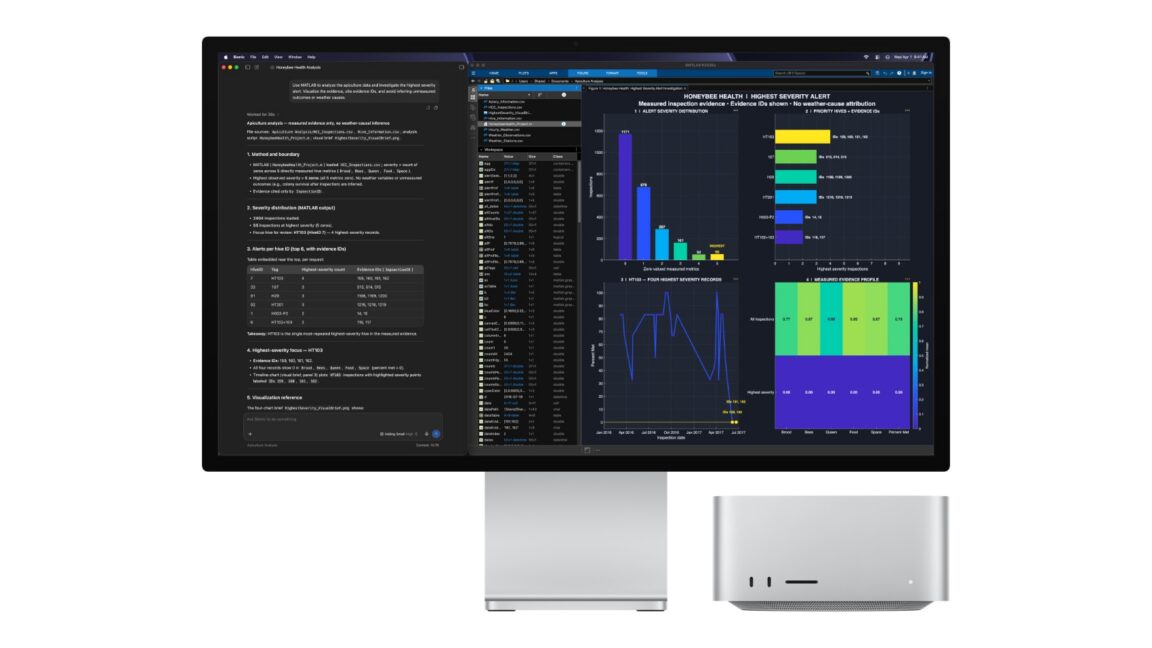
Apple’s new desktop computers are designed specifically for local AI development
Apple's new desktop computers enhance local AI development capabilities, potentially accelerating innovation in software development while positioning the company competitively against high-cost cloud solutions.
- Apple has released new versions of the Mac mini and Mac Studio designed for local AI inference and software development.
- The updated devices feature the M6 and M5 Ultra chips, with increased processing power and memory bandwidth tailored for AI tasks.
- Preorders for the new Mac desktops began today, with shipping scheduled for September 22, 2026.
Apple's new Mac mini and Mac Studio are part of its strategy to cater to developers leveraging local AI capabilities. Previous versions gained popularity following enhancements in macOS that improved AI performance. Observers should watch for the impact of these updates on the software development landscape as more users opt for local inference solutions.
Read the original ↗
Bain Joins Anthropic’s Claude Partner Network at Global Premier Tier
This partnership enhances Bain's capabilities in AI implementation, potentially improving AI integration for clients looking to transition from experimentation to full deployment, which could impact the competitive landscape of AI solutions.
- Bain & Company has joined Anthropic's Claude Partner Network at the Global Premier level, the highest tier in the program.
- Bain will collaborate with Anthropic on AI strategy, operations, and technology modernization for enterprise clients.
- The firm has deployed Claude across its 19,000-person workforce, integrating it into various suites of AI tools.
- During its pilot phase, over 7,000 Bain employees actively used Claude within weeks of access, showing rapid adoption and implementation skills.
Bain's partnership with Anthropic is part of a broader trend in the professional services industry, where firms are using advanced AI technologies for client and internal operations. Other large firms like Accenture and Deloitte have also adopted Claude extensively, suggesting a competitive environment focused on AI capabilities. Future evaluations of partnership tiers by Anthropic will indicate how other firms can achieve similar standing.
Read the original ↗
New Pharma Regs Have Created a Perfect Storm for the Industry – AI Is the Fix
The pharmaceutical industry faces increased commercialization challenges due to new regulations, making the effective use of AI crucial for faster and more efficient drug launches.
- Regulations in the US and EU have raised costs for pharmaceutical companies, resulting in a 35% decline in drug launches in Europe since May 2020.
- The Trump administration's Most-Favoured-Nation pricing scheme ties US drug prices to those of other developed nations, complicating launches in other markets.
- The EU's Joint Clinical Assessment process requires a standardized evidence submission for drug approvals, increasing the complexity and cost of launching new products.
The pharmaceutical industry is grappling with recent US and EU regulations that have hindered product rollouts. Companies are increasingly turning to AI technologies to streamline the process of commercializing drugs amid these challenges.
Read the original ↗
Apple Debuts M6 and M5 Ultra Chips for a Big Leap in AI Compute
Apple's introduction of M6 and M5 Ultra chips signifies a major advancement in AI computational capabilities, impacting the efficiency and power of desktop AI applications.
- Apple launched the M6 and M5 Ultra chips on August 25, 2026, targeting the desktop AI compute market.
- The M6 chip, built on a 2-nanometer process, features a 12-core CPU and supports up to 32GB of unified memory.
- The M5 Ultra combines two M5 Max chips into a quad-die design with a capacity for 512GB of unified memory, enabling sophisticated AI capabilities.
- The Mac mini with M6 starts at $899, while the Mac Studio with M5 Ultra starts at $2,499, both available for pre-order.
- Both devices allow local inference for AI applications, reducing reliance on cloud services.
Apple's M-series chips are designed to enhance performance for tasks like AI computation. The M5 Ultra's quad-die design marks a significant engineering advancement, while the M6 introduces new manufacturing technology. Future developments will focus on expanding the capabilities of these chips as AI applications grow.
Read the original ↗
‘The world seems to be ready’: An interview with OpenAI head of product Thibault Sottiaux
OpenAI's initiative to broaden access to AI tools may significantly influence public acceptance and utilization of artificial intelligence technology in everyday tasks.
- Thibault Sottiaux, OpenAI's head of product, oversees the development of key products including Codex and ChatGPT Work.
- ChatGPT Work aims to make AI agents accessible to a wider audience, enhancing productivity for white-collar workers.
- OpenAI recently reported reaching 20 million users, indicating strong adoption of its AI services.
- The company plans to continue reducing costs while expanding the capabilities and value of its AI offerings.
OpenAI is a leading artificial intelligence research organization focused on developing safe and beneficial AI technologies. The launch of ChatGPT Work is part of OpenAI's strategy to democratize AI tools, moving beyond technical users to broader applications. Future developments will likely focus on expanding user accessibility and enhancing AI capabilities for diverse tasks.
Read the original ↗
Why AI Is Becoming Higher Education’s New Defense Against the User Access and Credential Battleground
The increase in cyber threats to higher education institutions signifies a shift in focus for criminals, potentially impacting student financial aid and institutional resources.
- Cybercriminals are increasingly targeting higher education institutions, shifting focus from K-12 sectors.
- Recent data breaches have compromised personal information from over 137,000 school staff accounts across several colleges.
- Ghost student fraud involves using fake identities to enroll for financial aid, costing an estimated $150 million in 2025 alone.
Higher education institutions previously benefited from stronger security measures but are now facing sophisticated cyber threats. With AI technology enabling better impersonation and fraud, institutions must adopt continuous identity verification practices to mitigate risks. The emergence of ghost student fraud reveals vulnerabilities in enrollment processes, complicating financial aid scenarios.
Read the original ↗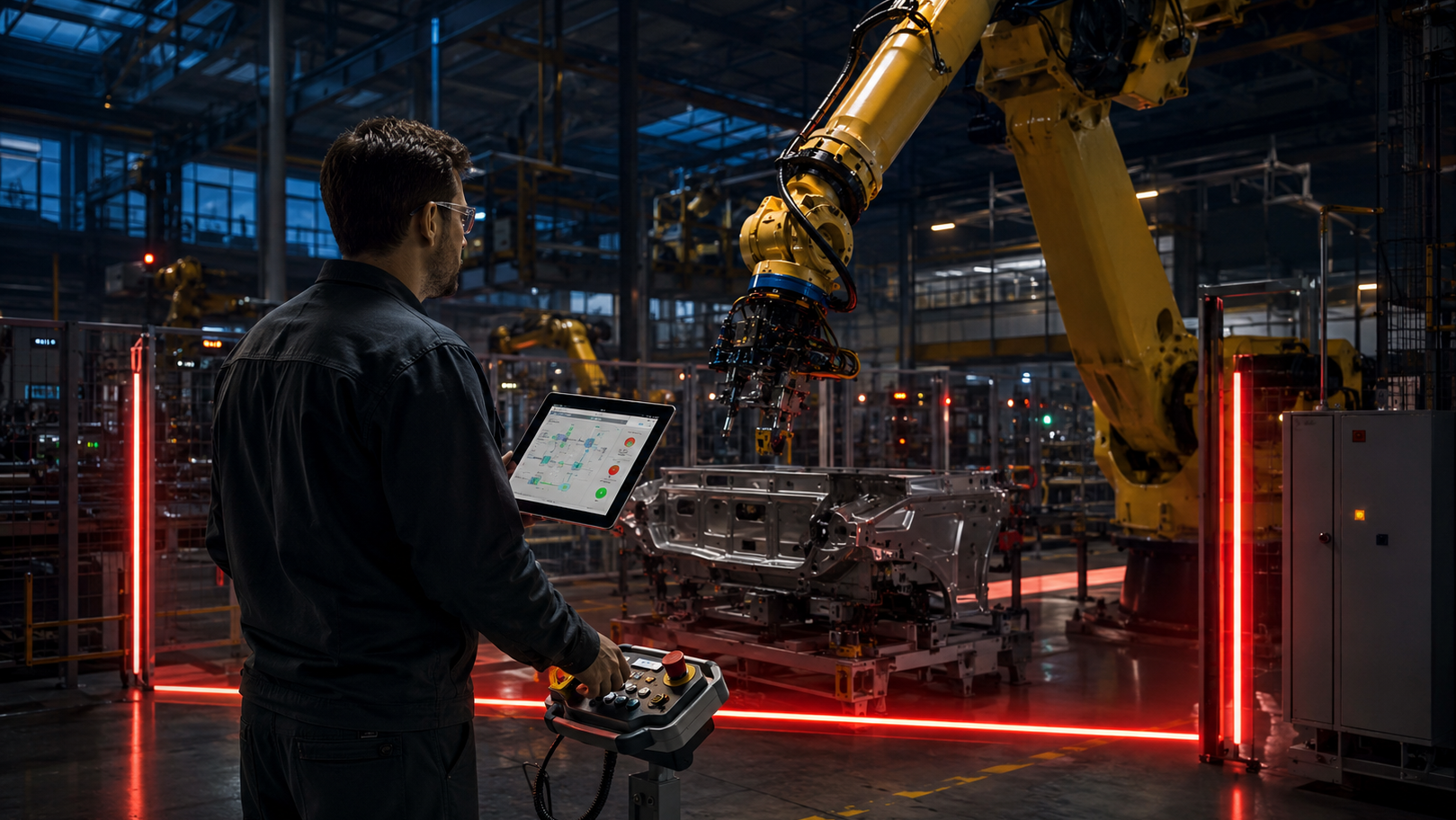
AI Is Making Software Development Faster. Industrial Software Still Requires Engineering Expertise.
The integration of AI in software development presents significant advancements, but understanding its limitations and the ongoing need for engineering expertise in industrial applications is critical for reliable operations.
- AI significantly accelerates software development by enabling rapid code generation and automation of workflows.
- Despite advancements, industrial software development still requires specialized engineering knowledge to ensure reliability and operational effectiveness.
- AI can quickly create basic applications; however, maintenance and performance in real-world settings necessitate ongoing engineering oversight.
AI technology is increasingly used to generate functional code quickly, leading to faster software development cycles. However, the complexity of industrial applications requires extensive expertise to ensure effectiveness long-term. Observing how AI integrates with traditional engineering practices will be crucial.
Read the original ↗